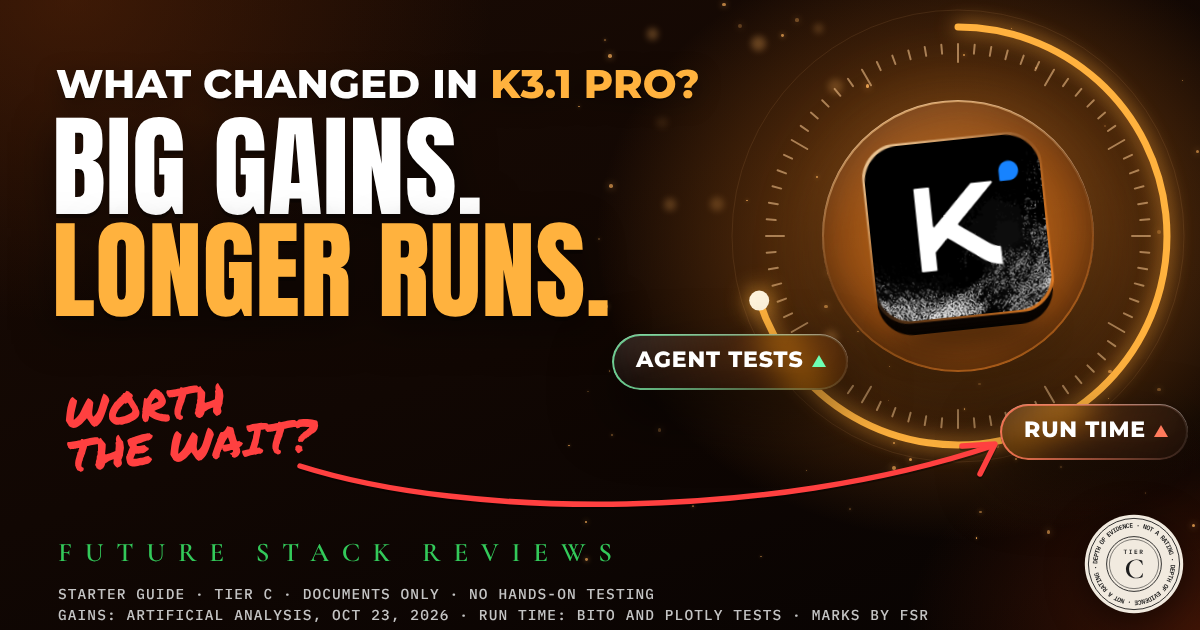
Kimi K3.1 Pro, released October 23, 2026, is Moonshot AI’s post-trained version of Kimi K3. Artificial Analysis scored it far higher on agent tasks and put its cost per task about level with K3’s, even though its API tokens cost a third less. Two small outside tests found longer runs and mixed quality gains. This Tier C Starter Guide, built from Moonshot AI’s and Kimi’s pages, Artificial Analysis’s results and those two tests, shows who should run one checkable test, what each plan includes and when to wait. FSR didn’t test K3.1 Pro for this guide.
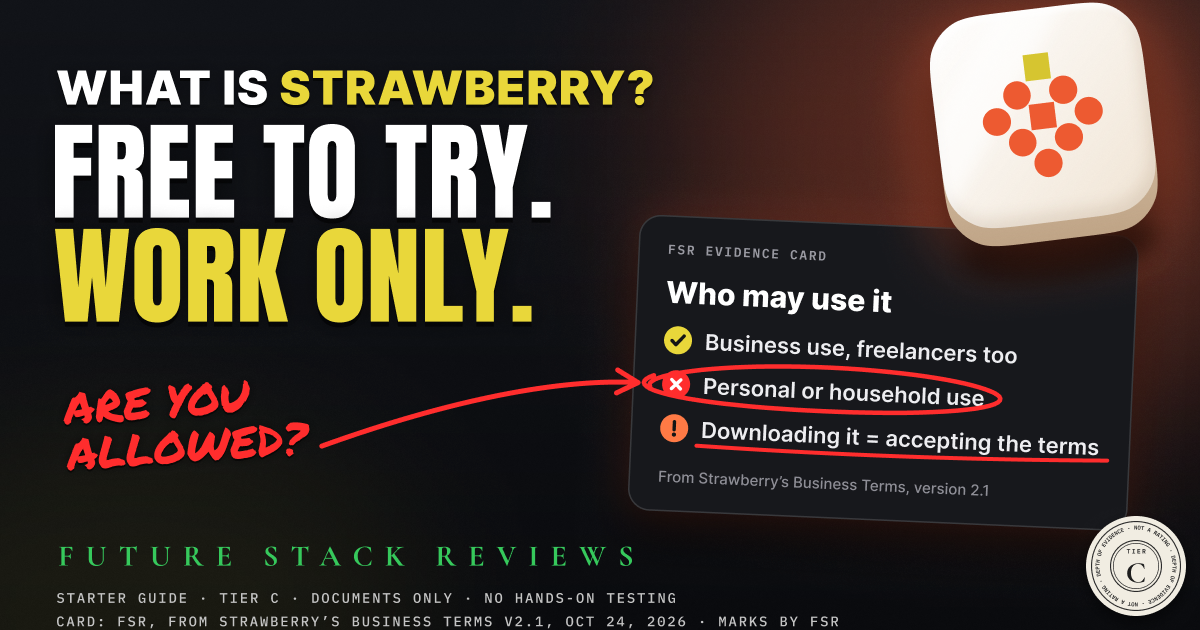
Strawberry is a desktop AI browser offered for business use only. This Tier C Starter Guide, built from Strawberry’s public pages and legal terms, covers what its Free plan includes, where your chats and page content go, and one small research task you can check before relying on it. FSR didn’t use Strawberry for this guide; Strawberry has agreed to add free credits to an FSR account for a planned hands-on guide.
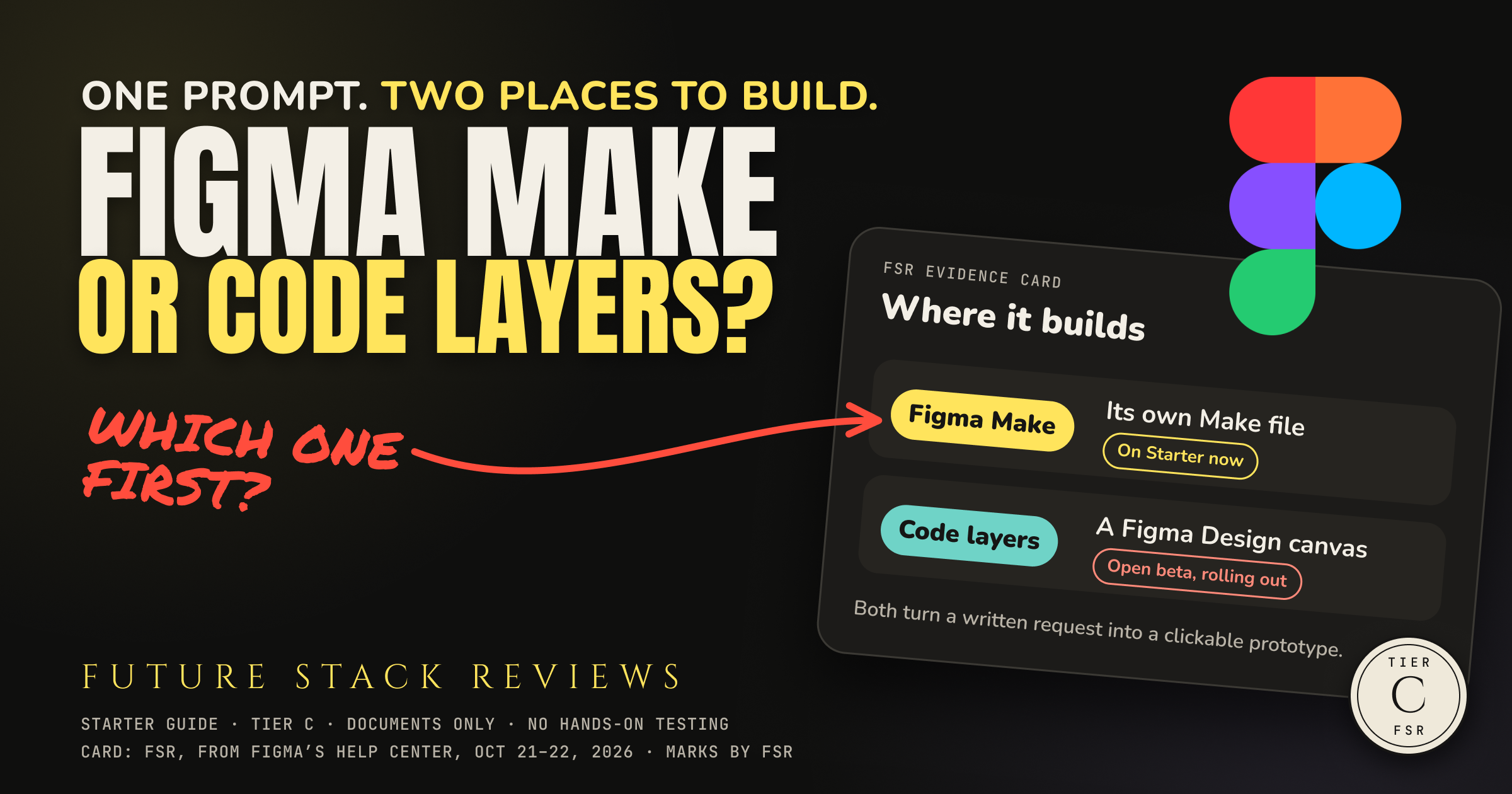
Start in Figma Make: it’s on the free Starter plan now, with documented previewing, sharing and publishing. Choose a code layer if you want the prototype on a Figma Design canvas and your toolbar shows the Code icon. Anyone who can open your Make file can read your prompts.
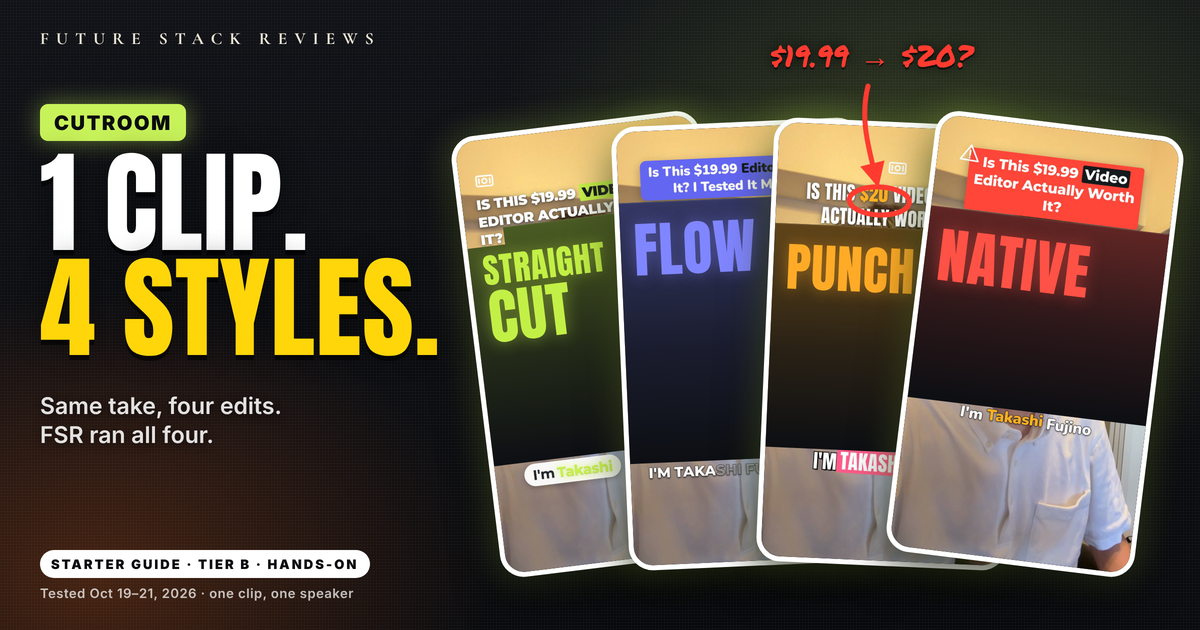
Cutroom turns one clip of you talking into a vertical video with captions, a hook and b-roll. FSR ran one English clip through all four edit styles on a review account Cutroom provided and remade it on a free account, October 19 to 21, 2026. It found no way to switch a project’s style after upload, and the free video carried a watermark across the middle. This Tier B Starter Guide, built from Cutroom’s public pages and FSR’s tests, shows what to choose before you upload and what to check before you post. It rests on one clip and one speaker.
Lovable turns a plain-language chat into a web app it can host. This Starter Guide covers what Free includes, the 30-credit monthly cap, AI training settings, who can see your site, and when to wait.
Higgsfield is a browser platform for AI images and short videos. Its own pages disagree on what the Free plan includes, commercial use among them. Its lowest-priced subscription, the Starter plan, was listed at $19 a month for 270 credits, before taxes, as shown in Japan. Outside Enterprise agreements, its Terms let Higgsfield train on your content, inputs and outputs. This Tier C Starter Guide, built from Higgsfield’s public pages, shows where to start and when to wait. FSR didn’t use Higgsfield, or the paid-plan access it provided, for this guide.
Cutroom is a browser-based AI video editor that turns one talking clip, up to three minutes long, into a vertical 9:16 video with burned-in captions and b-roll; you edit the transcript, not a timeline. Paid plans start at $19.99 a month, and a filmed 40-second video uses 114 credits for one edit and one export. This Tier C Starter Guide, built from Cutroom’s public pages and policies, shows who it fits and what to check before you upload or pay. FSR didn’t use Cutroom, or the review account it provided, for this guide.
Carbon is a reported internal name in Google’s Gemini 4 work; Google’s public release is Gemini 4 Argon. As of October 14, 2026, the official sources we checked don’t establish a public Carbon model, a release date or a relationship to Argon. This Tier C Starter Guide, built from Business Insider’s report and Google’s documentation, shows where Google documents Argon access and why the report alone isn’t a reason to switch. FSR didn’t test Carbon or Argon for this guide.
Tricentis announced on July 30, 2026, that it had acquired Tabnine, an AI coding assistant for organizations. Tabnine’s VS Code and JetBrains plugins are now labeled Legacy and don’t onboard new users, and its old CLI gets only critical updates through December 31, 2026. We couldn’t confirm a working public sign-up route on October 12, and the pages we read don’t say what the deal changes for existing contracts or support. This Tier C Starter Guide, built from public documents and an FSR editor’s browser check, shows what to check first for your situation. FSR didn’t use Tabnine for this guide.
“Bel” is a rumored OpenAI training run that later headlines tied to the name GPT-7. As of October 11, 2026, the OpenAI pages we checked list no model by either name and give no release date. Here is what the rumor says, what OpenAI has published, and a five-line check on whether to wait.