Reviews
What Is Runable? What the Free Plan Covers, and a Safe First Test
What Runable is, what its Free plan covers, where its own pages disagree, and a safe first test built from invented material, with a stop before any payment.
Understand an AI or SaaS tool’s pricing, limits, and fit before you commit.
94 articles Showing 21–30
Reviews
What Runable is, what its Free plan covers, where its own pages disagree, and a safe first test built from invented material, with a stop before any payment.
Reviews
GPT-6 Luna, Sol and Astra are OpenAI’s GPT-6 models in ChatGPT Work. OpenAI’s own model-selection guide can send the same task to Luna or Astra, depending on the category you pick. This Tier C Starter Guide, built from OpenAI’s public documentation, explains where to start, how to check the first result, and when your plan, admins or a paused Astra task mean you should stop or wait.
ReviewsStack Intel
Claude Opus 5.5 lists at $4 input and $20 output per million tokens, 20% below Opus 5, and Anthropic says it costs 40% less to run at default settings. Those figures, and two more on usage limits, measure different things. This Tier C Starter Guide, built from public pages and documents, explains each figure, who can use the model, and how to run a budgeted first test.

ReviewsStack Intel
OpenAI plans to retire custom GPTs on Dec 11, 2026. If you own one that a team relies on, six gates decide the next step: start a private evaluation, fix something first, wait on one item, or retire the use. Built from OpenAI’s published pages, which give two different migration timelines.
Reviews
Klap cuts long talk-led video into short vertical clips, from $29 a month or $14 billed yearly. Its pricing page showed FSR two different monthly allowances at identical prices, and its replies to reviewers do not agree with its own tool page on what the free video includes. This Tier C Starter Guide marks what to confirm before you upload or pay.
Reviews
Bold Pilot sells one plan at $49 a month. Four of the vendor’s own surfaces state what it includes: the pricing page, the comparison pages, the checkout store and the affiliate program. They do not agree, and all four were live on 19 September. What to get in writing before you connect a site.
ComparisonsReviews
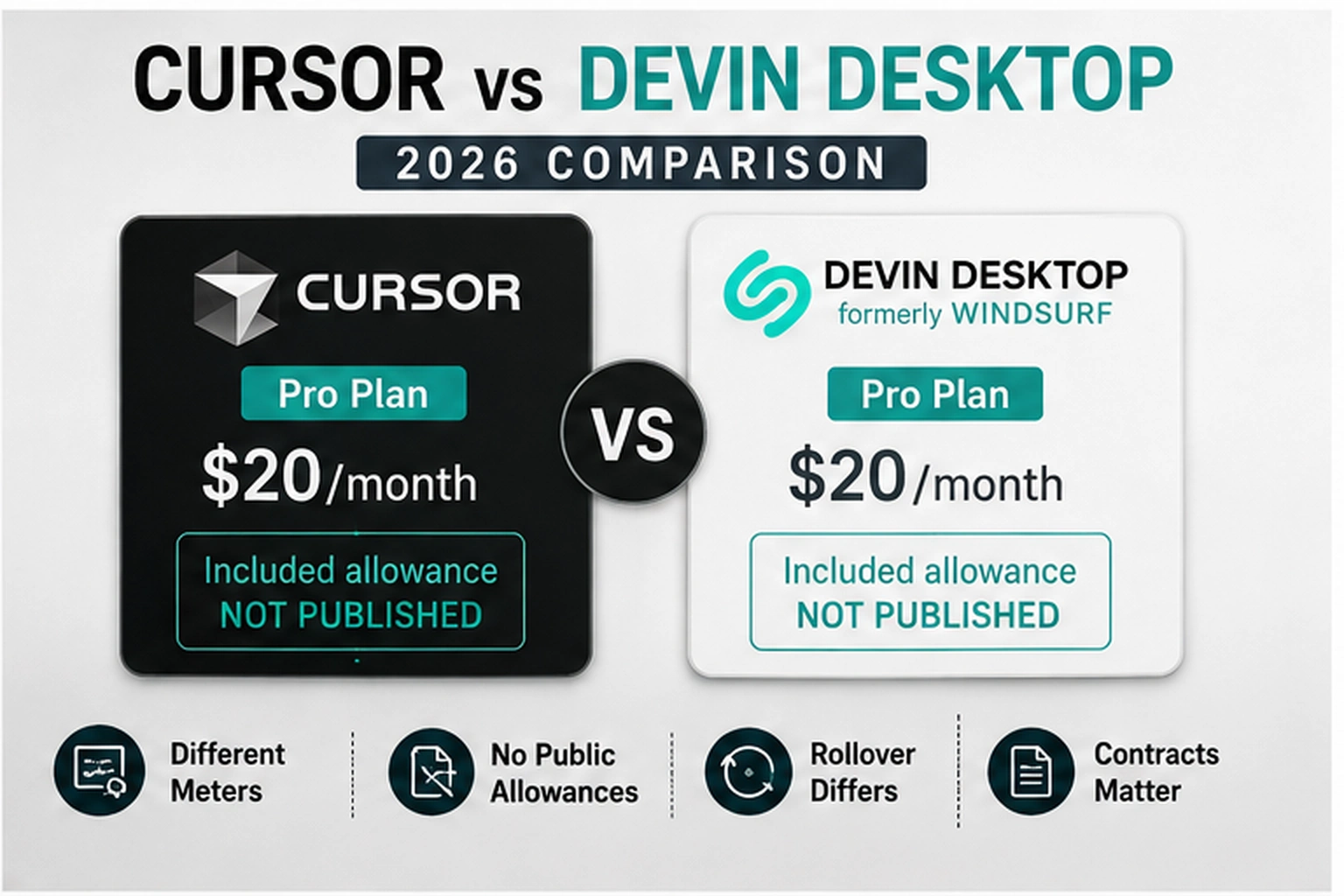
Windsurf’s desktop IDE is now Devin Desktop, and both products still list a $20 individual plan. Neither public page states the model usage that price includes, so the two plans cannot be normalized before purchase. A Tier C document audit of the billing regimes, meters, and contract terms behind them.
ReviewsStack Intel
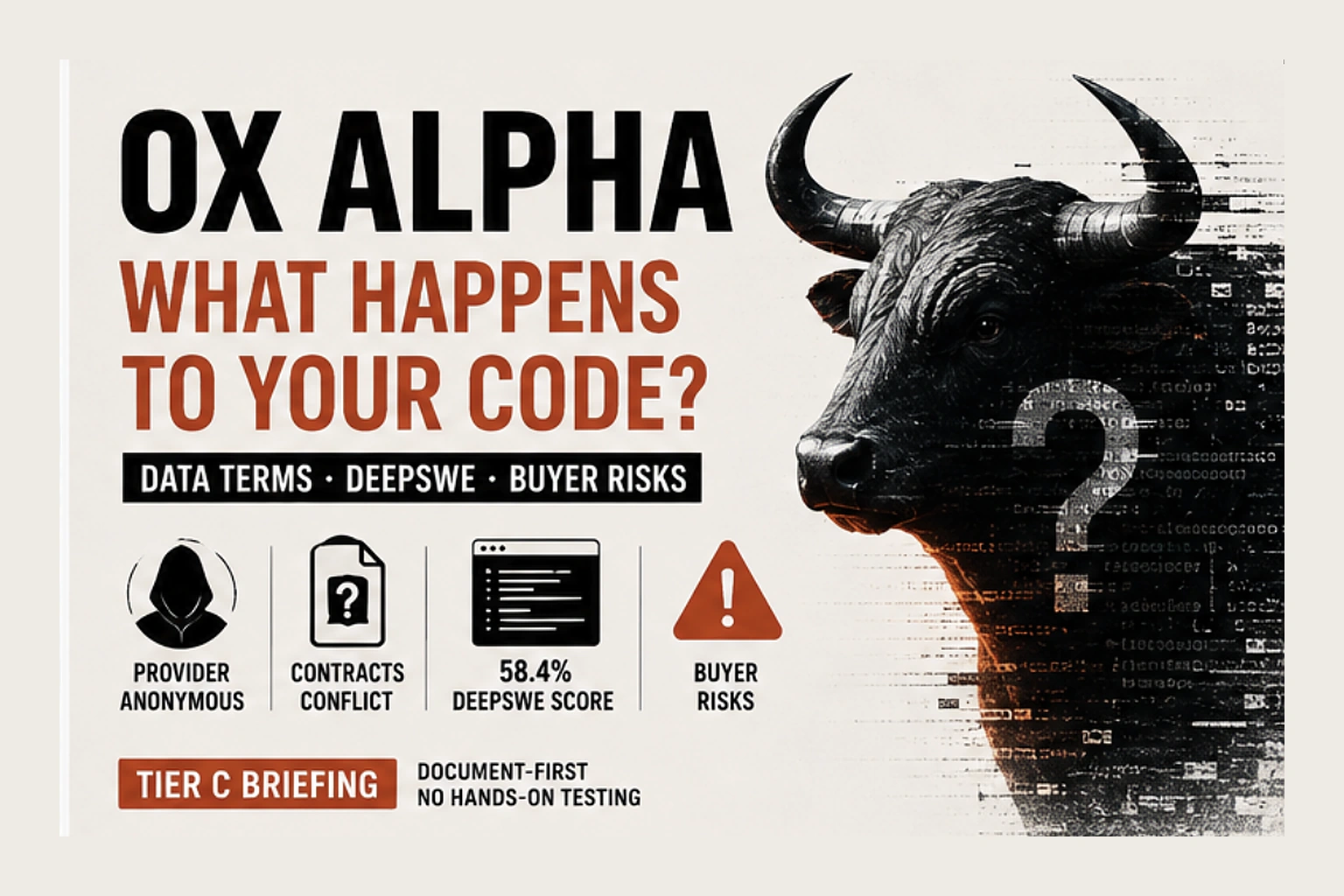
Ox Alpha arrived on August 20, 2026 with a million-token context window, a price of zero, and no company name attached. This Tier C briefing reads the contract stack behind each access route, separates the 58.4% full DeepSWE run from the 80% subset that traveled further, and marks what the public record leaves open.
ComparisonsReviews
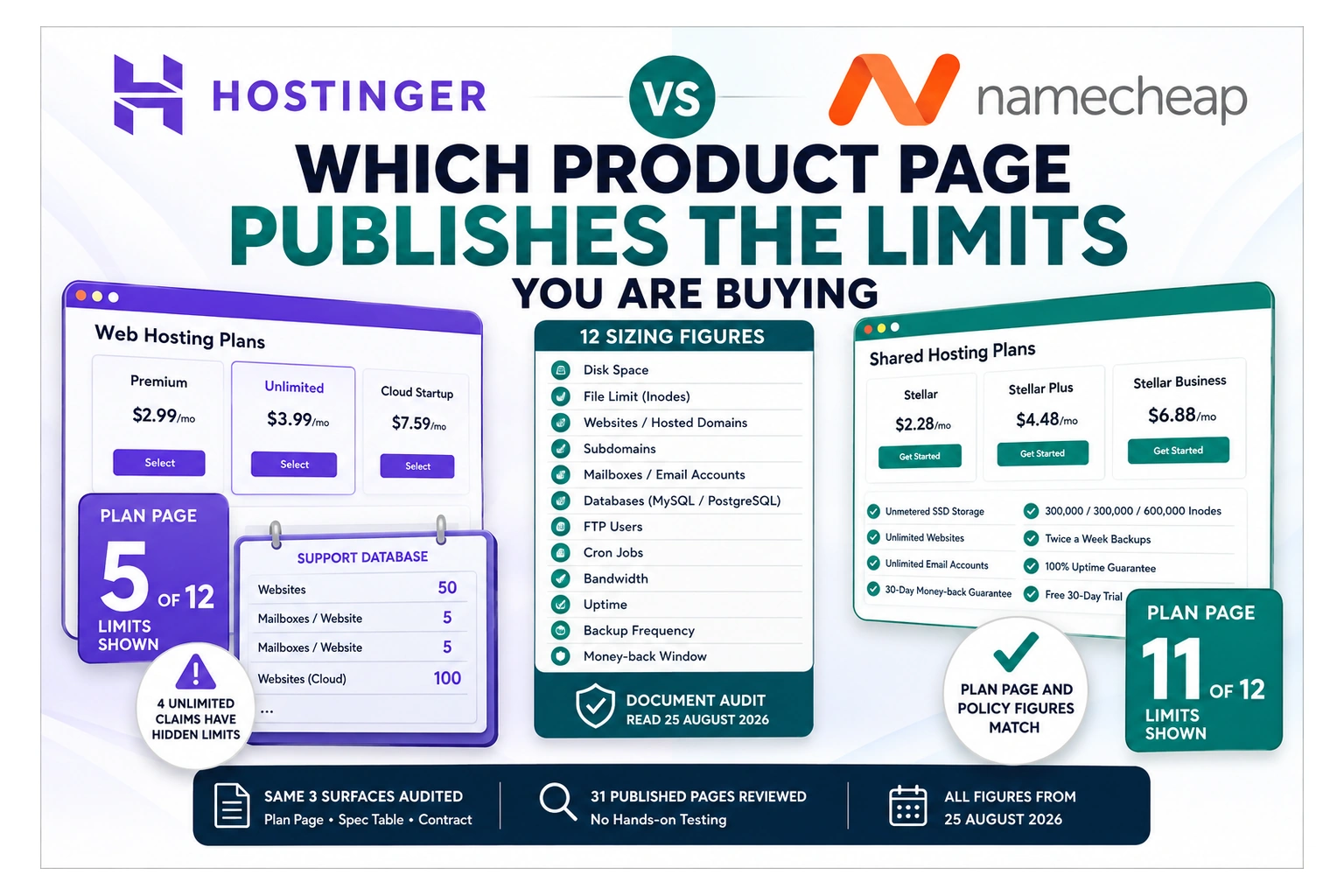
Twelve figures decide whether a shared hosting plan will hold a workload. FSR checked which ones each company prints where the plan is chosen. Namecheap prints eleven. Hostinger prints five, and its limits come in three versions by purchase date that the plan card does not show. Read 25 August 2026.

ComparisonsReviews
A document-first comparison of Instantly.ai and lemlist. Instantly advertises unlimited email accounts while its Terms cap them at 100 per workspace, and its help center bills each workspace separately. lemlist says its Email plan is not per seat, then says only users with an active paid seat can send. Tier C: no hands-on testing.