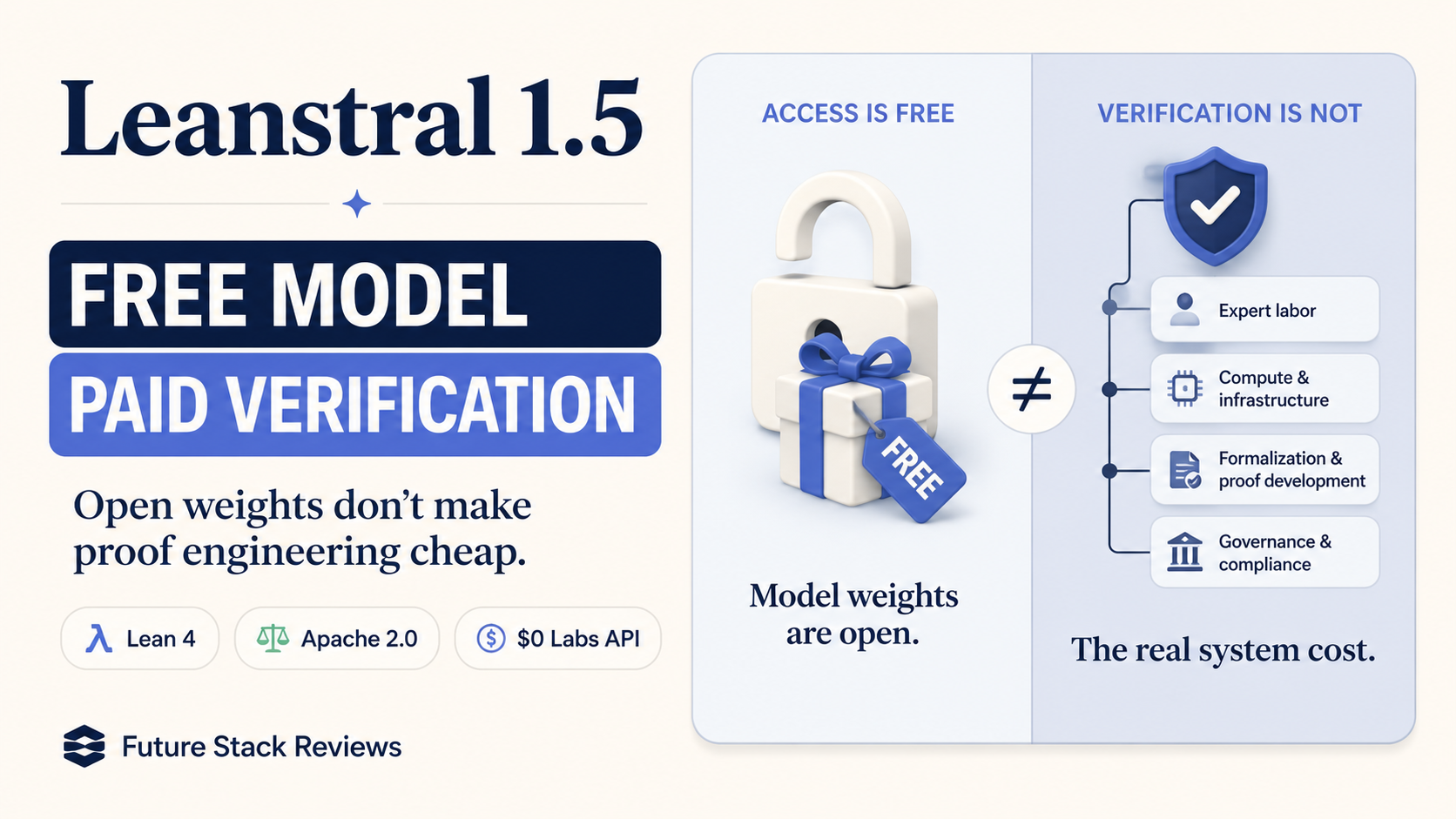
Mistral’s Leanstral 1.5 is an Apache-2.0 open-weight code agent for Lean 4 proof engineering. The model is free to access; the verification system around it is not. A document-first briefing on what it does, what it really costs to operate, where its benchmarks hold, and which teams should adopt it or skip it.
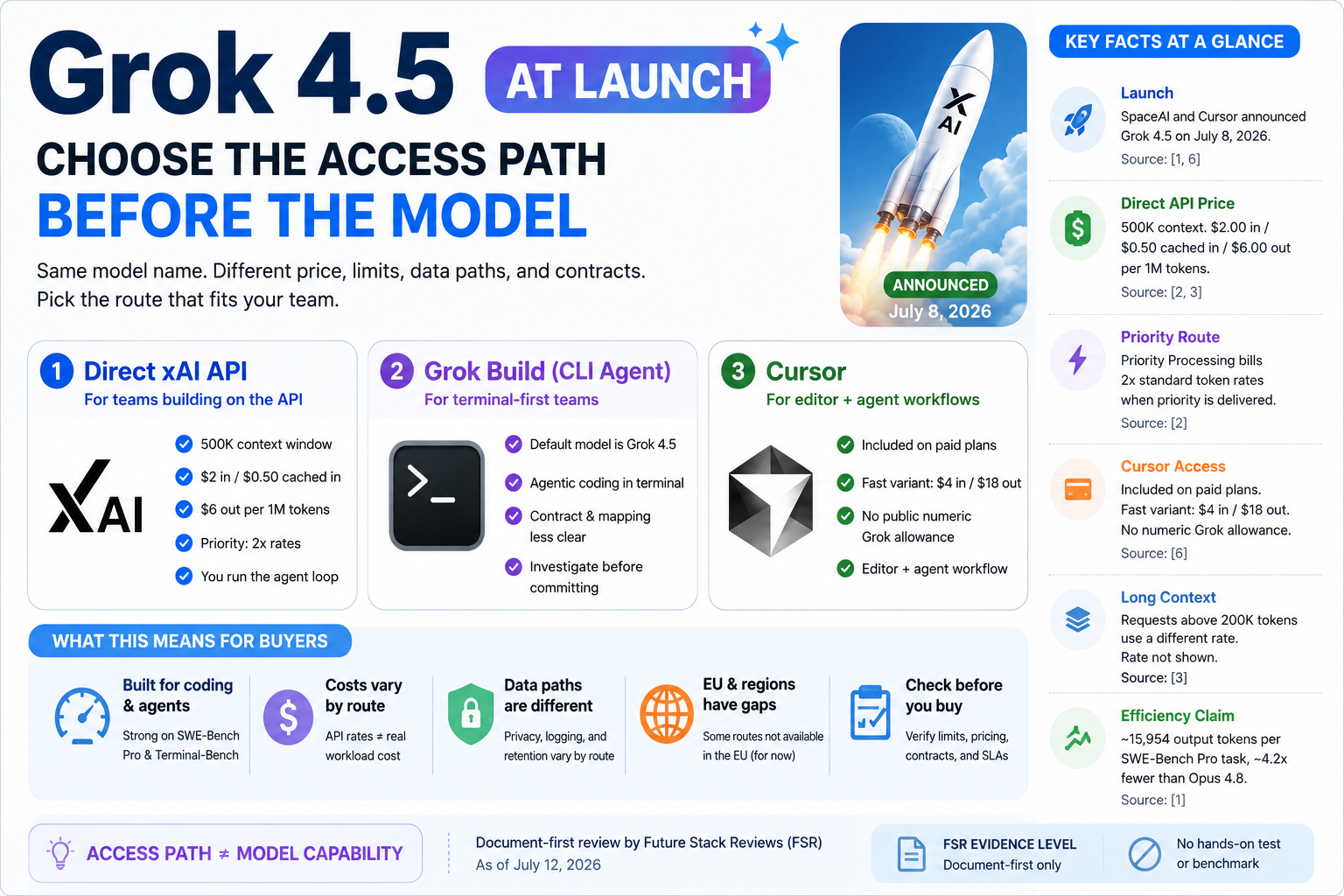
Grok 4.5 pricing isn’t one number. The xAI API, Grok Build, and Cursor differ on cost, usage limits, and data handling. A document-first buyer’s guide.
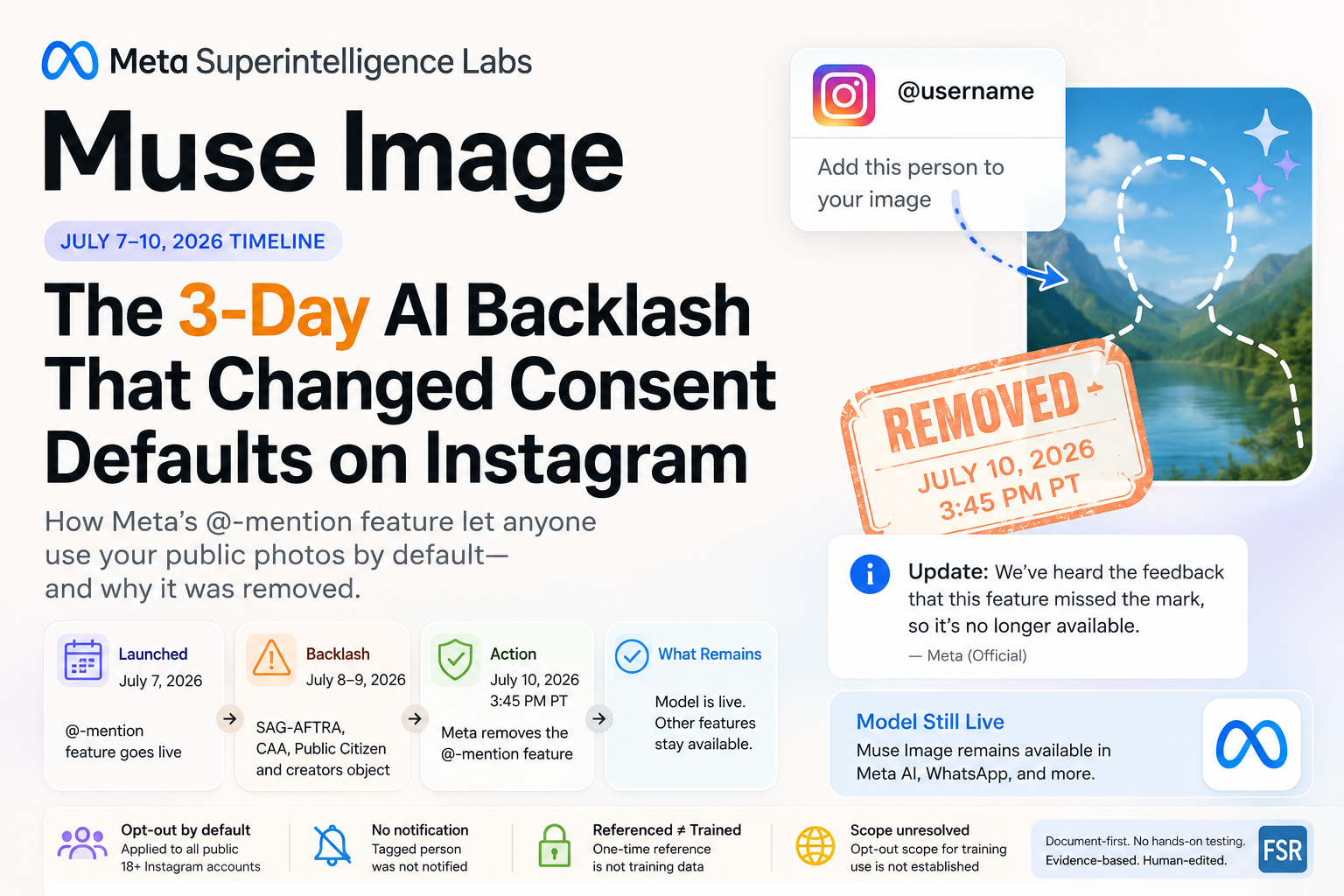
Meta removed Muse Image’s Instagram @-mention feature on July 10, 2026, not the model. What the opt-out actually covered, and what is still unresolved.
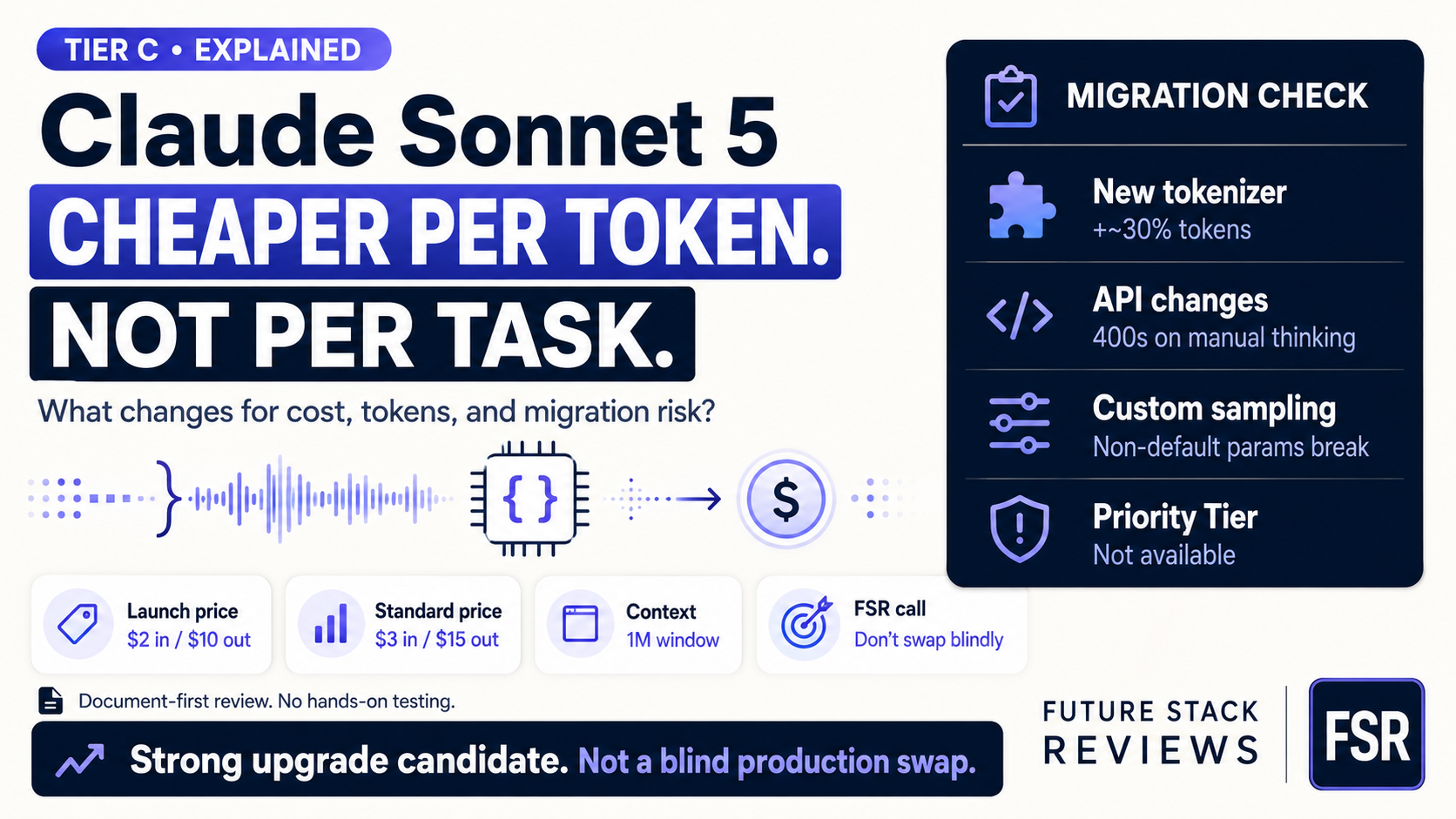
Claude Sonnet 5 keeps Sonnet 4.6’s per-token price, but a new tokenizer and three breaking API changes make migration the real cost. What to check before you switch.
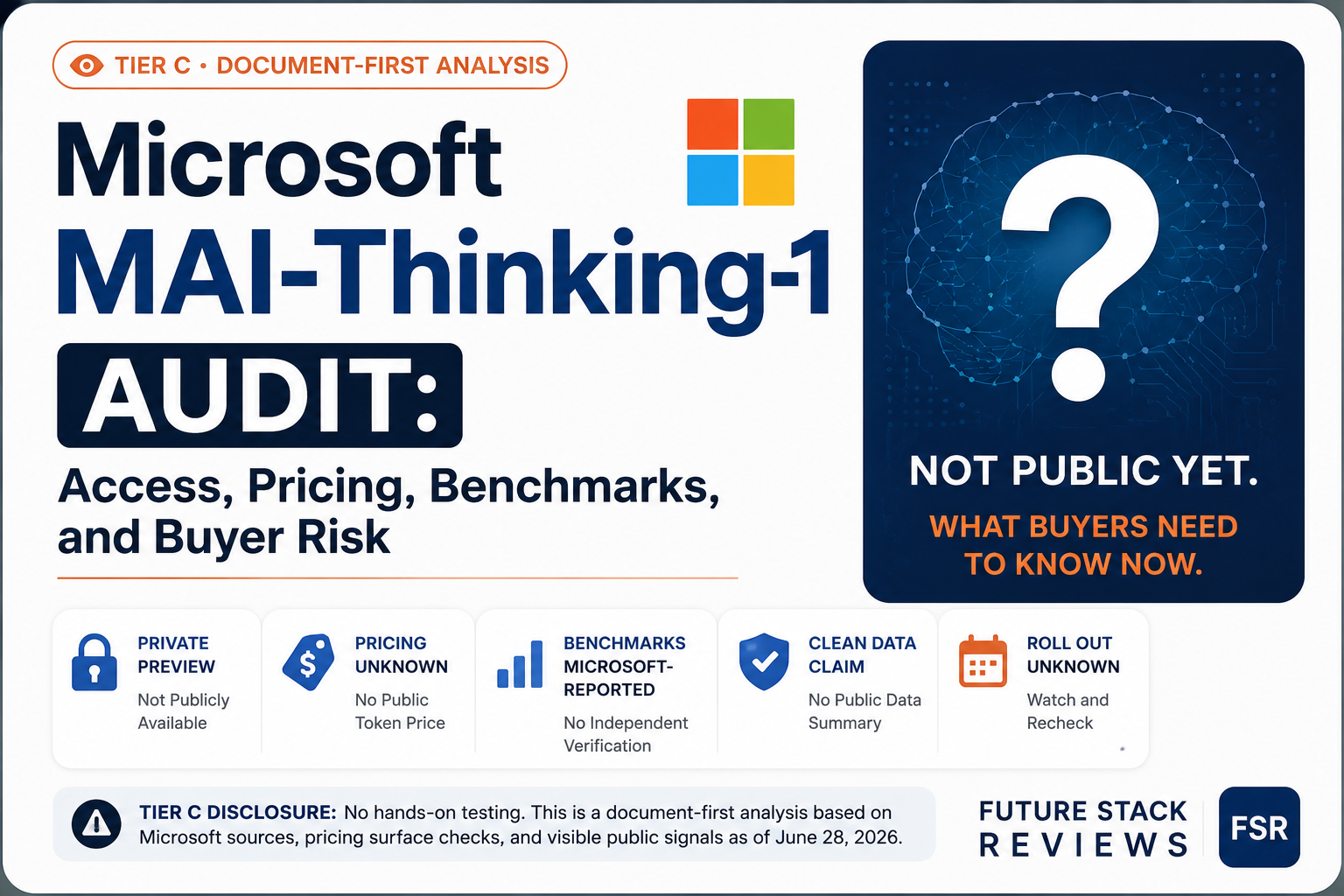
Microsoft MAI-Thinking-1 looks strong on paper, but access is gated, pricing is not public, and benchmarks are Microsoft-reported. What to act on, what to wait for.
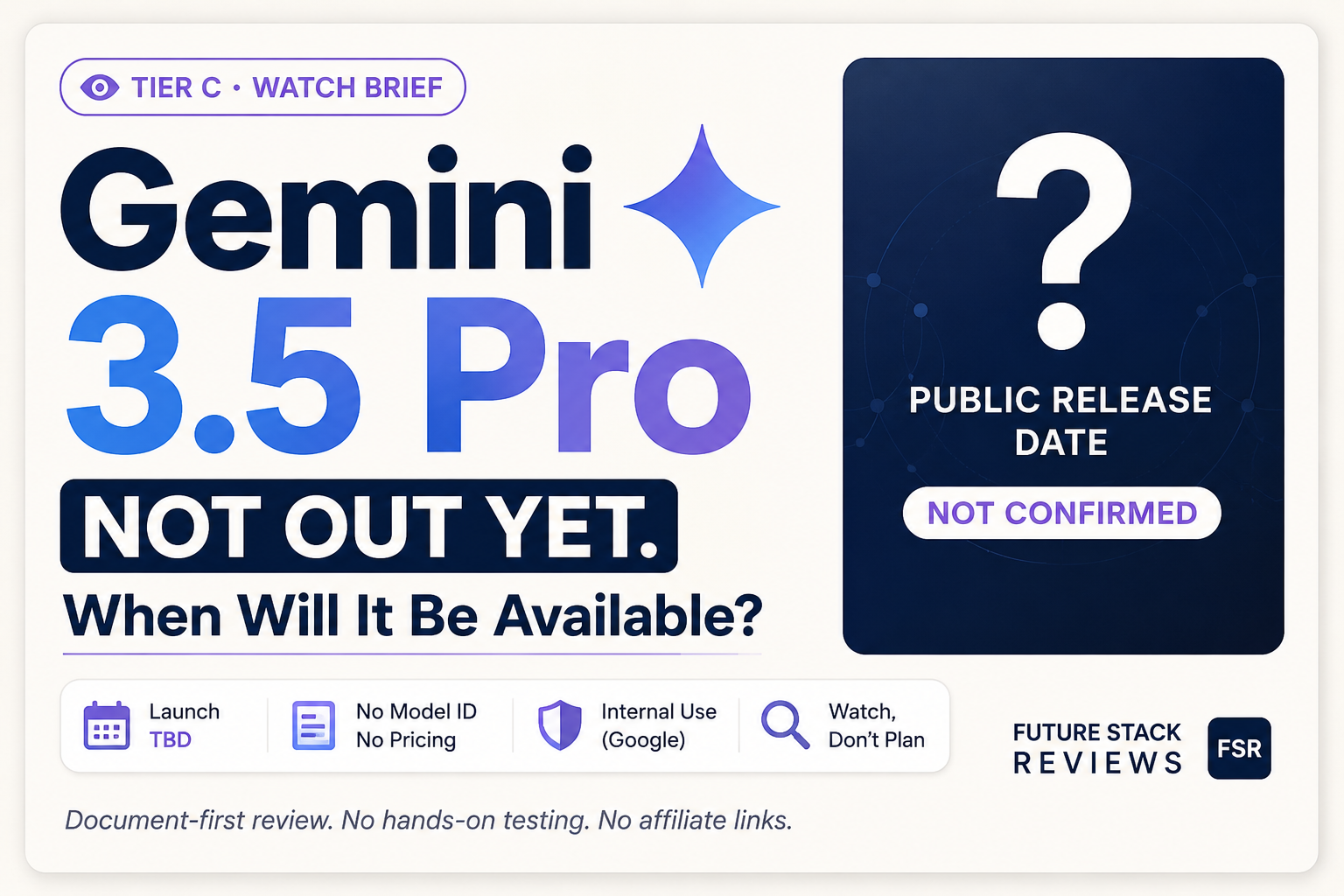
Google has referenced Gemini 3.5 Pro, but it is not a documented, buyer-ready model yet. No model ID, pricing, API access, or model card has appeared, and Gemini 3.5 Flash is still the documented model. Watch it, do not plan a migration.
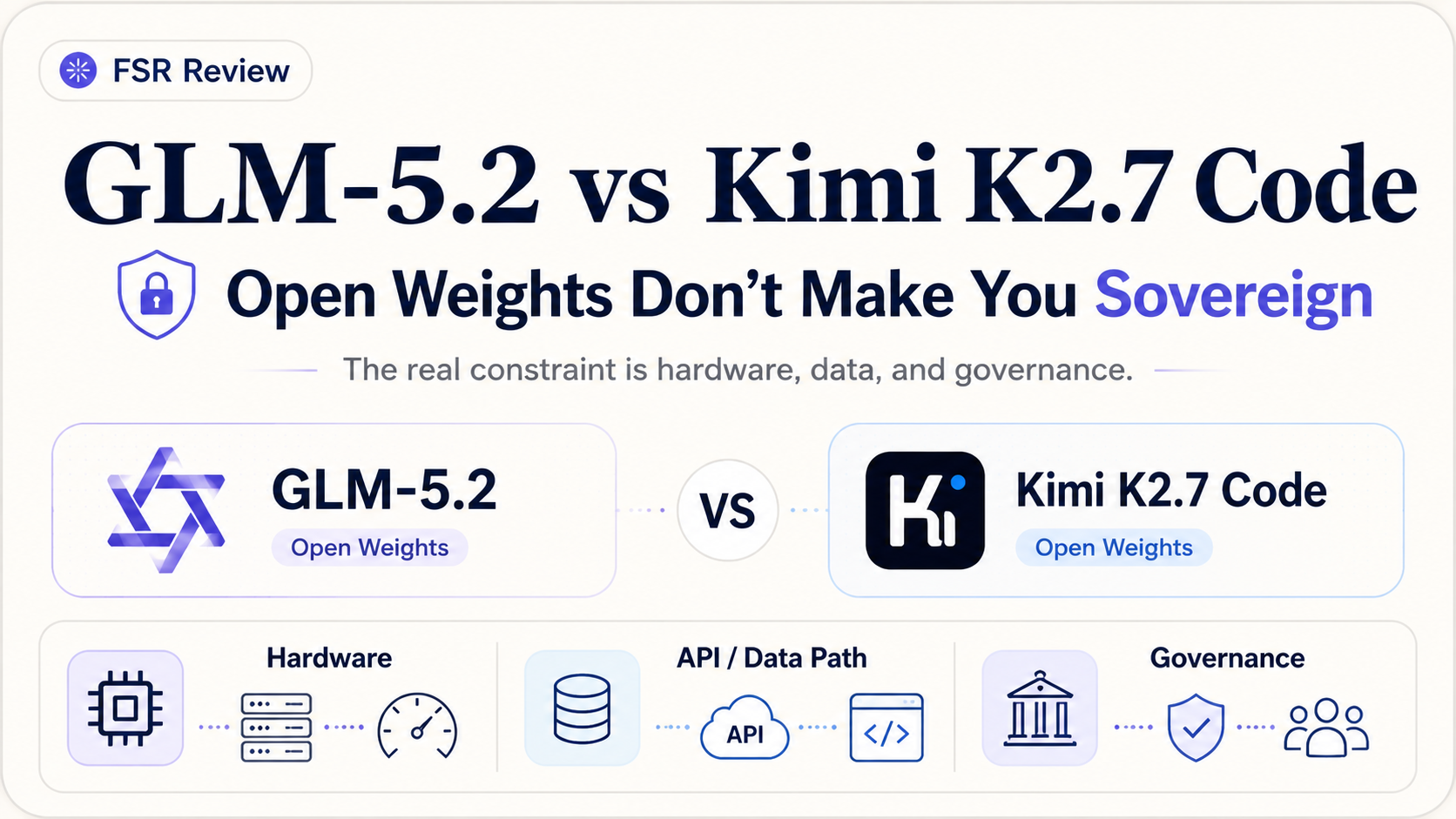
Open weights, permissive licenses, and API prices far below the US frontier. The real question with GLM-5.2 and Kimi K2.7 Code is whether you can run them yourself, and what happens to your code when you cannot.
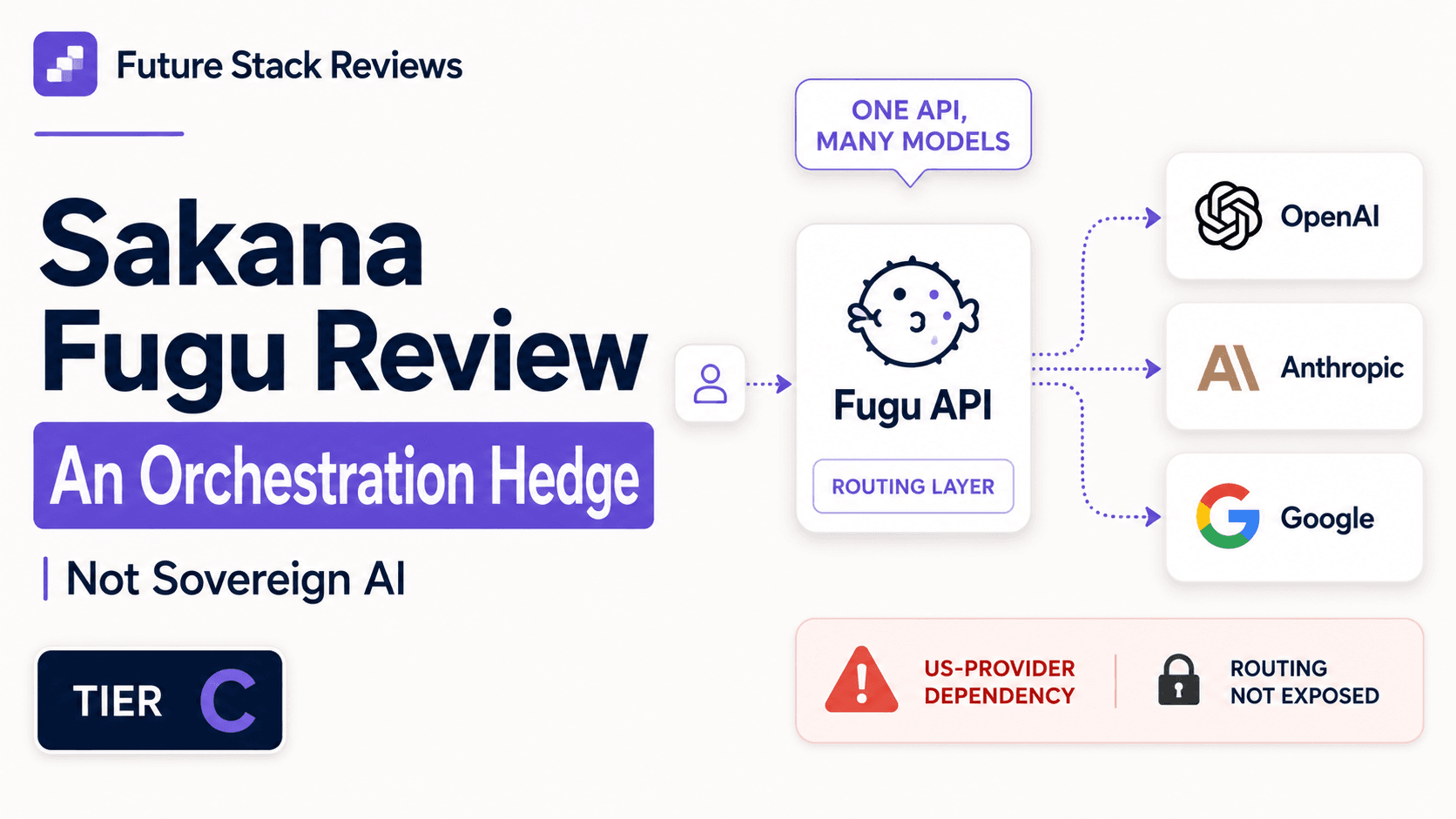
Sakana Fugu sells itself as AI sovereignty, launched days after rival frontier models were cut off by US export control. Read the Terms and the story narrows: routing you cannot see, the models it names all in one jurisdiction, and orchestration cost you cannot forecast. An audit of the gap between the pitch and the paperwork.
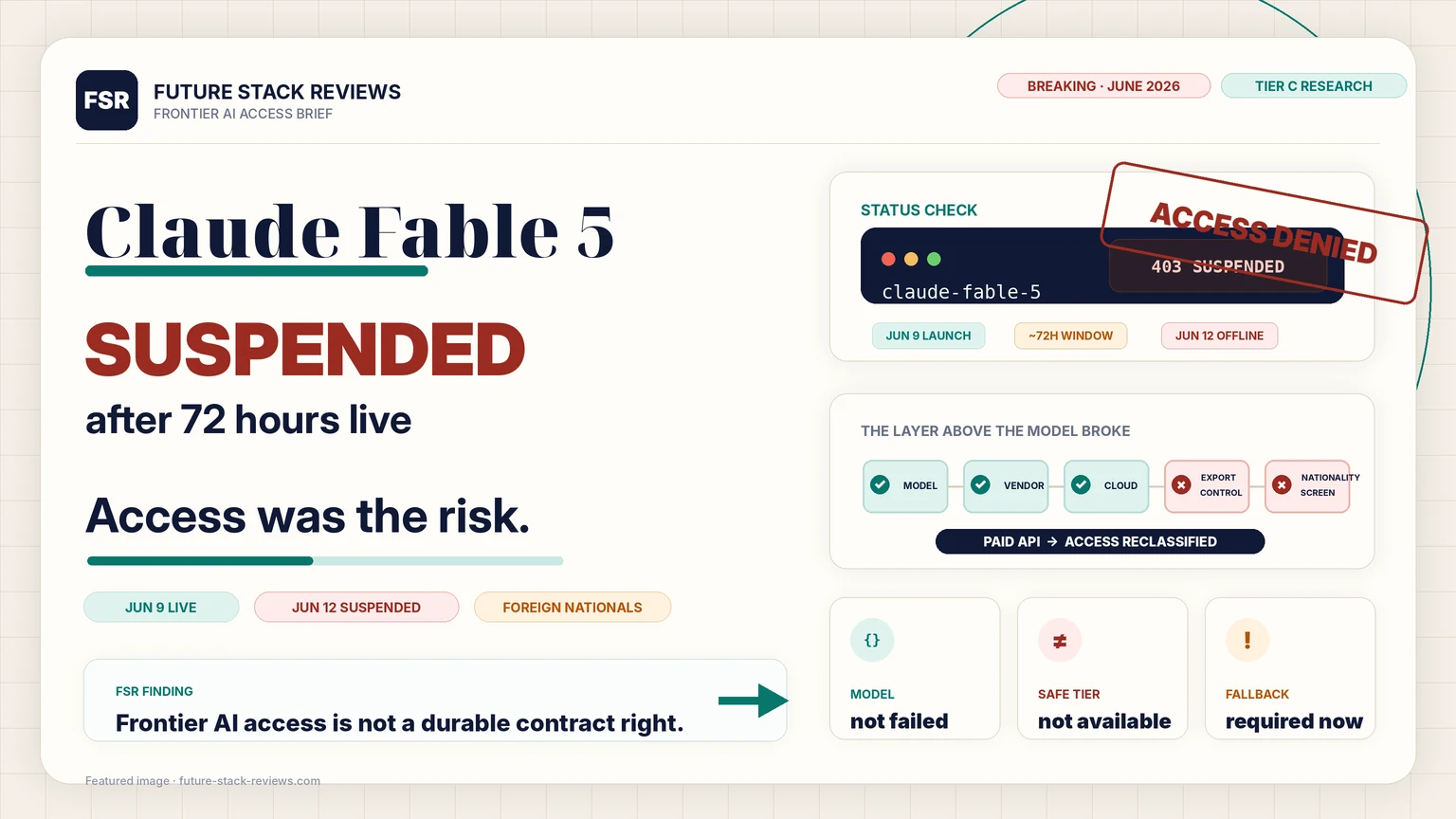
Claude Fable 5 was live for about 72 hours before a US export-control directive barred foreign nationals worldwide and Anthropic disabled it. A Tier C briefing on what the shutdown proves about buying frontier AI when access can be revoked by nationality, as of June 2026.