 Future Stack Reviews

Hostinger renewal pricing: the term discount does not come back
One paid Hostinger Business account, first term priced against second. The term discount that made the purchase attractive was worth nothing at renewal.
One paid Hostinger Business account, first term priced against second. The term discount that made the purchase attractive was worth nothing at renewal.

Gemini 3.6 Flash review: the output price cut is real, but sampling controls, storage defaults and Batch access change with the API surface you pick.
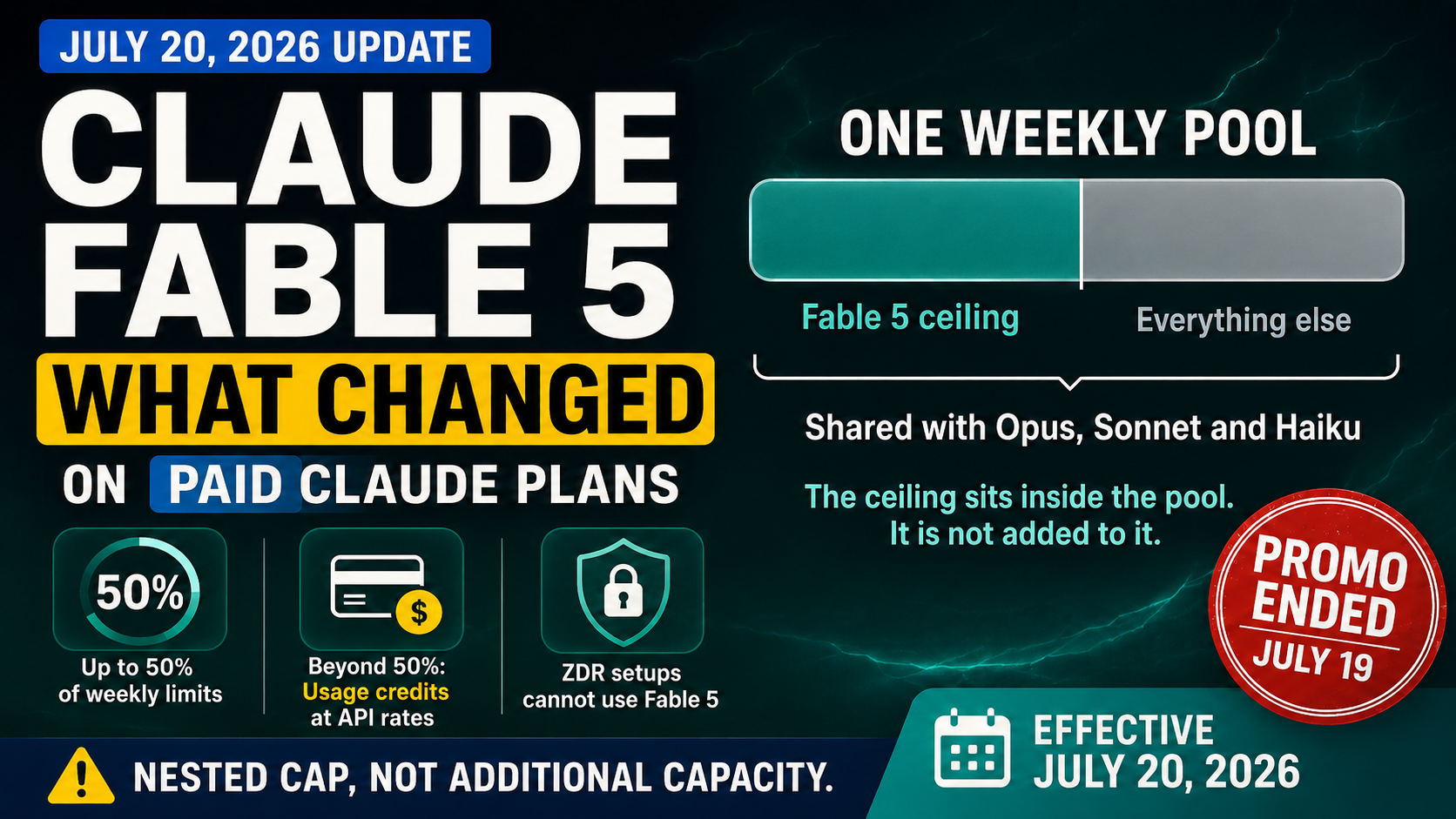
The universal promotion ended July 19. From July 20, Claude Fable 5 stays inside Max plans and premium seats at up to 50 percent of weekly usage limits, a ceiling inside the existing pool rather than added capacity. Pro plans and standard seats keep the model on usage credits, with a one-time credit…
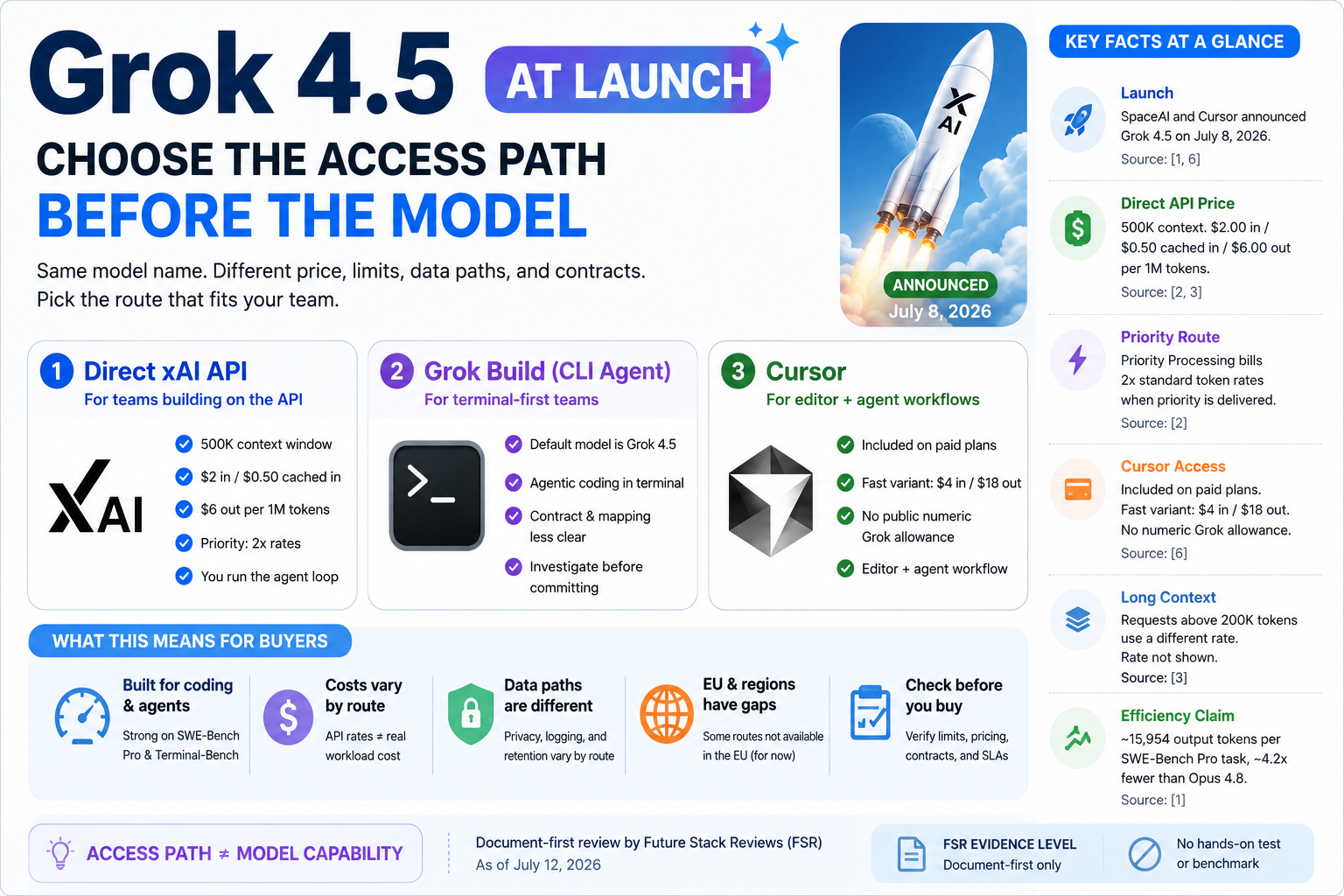
Grok 4.5 pricing isn't one number. The xAI API, Grok Build, and Cursor differ on cost, usage limits, and data handling. A document-first buyer's guide.
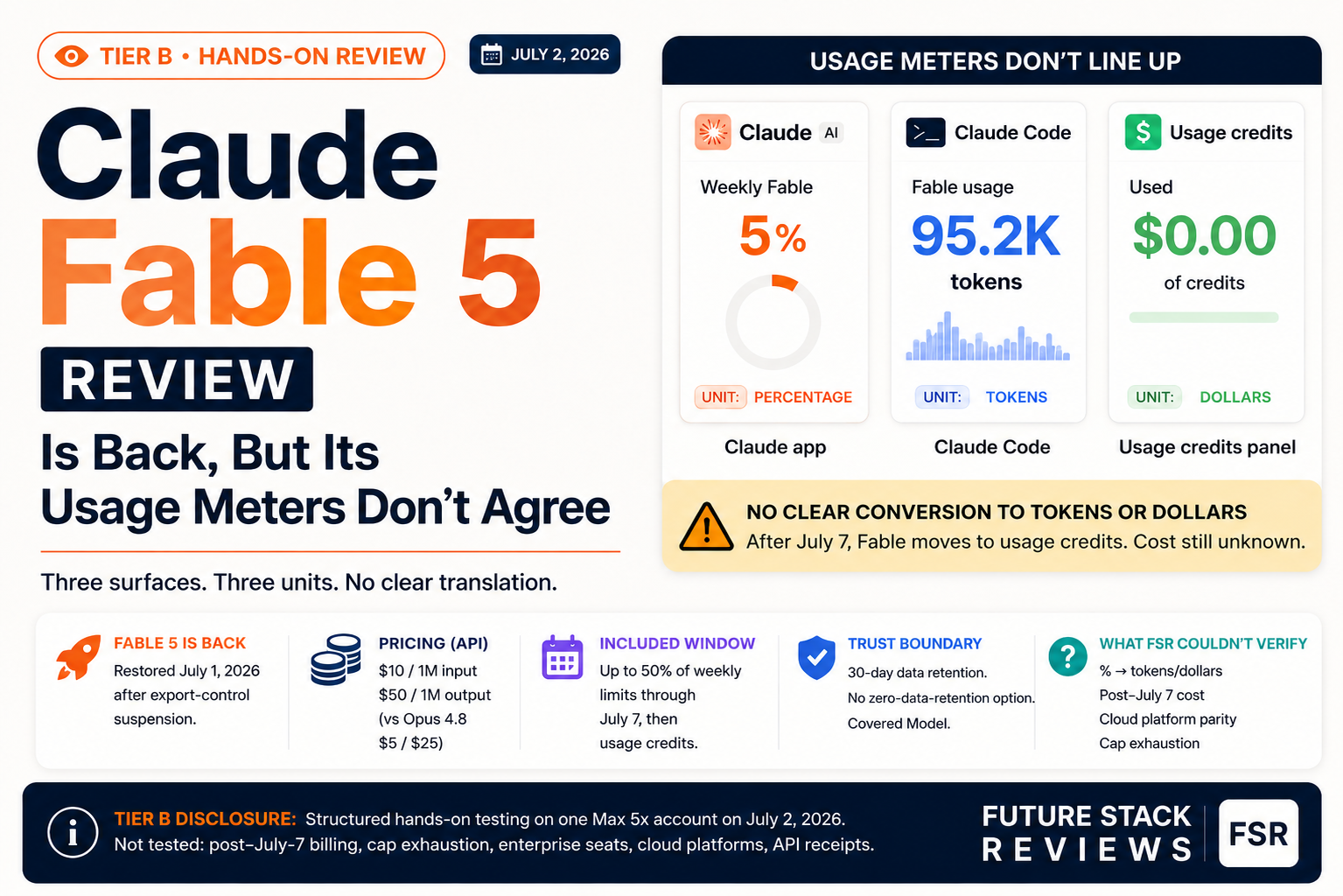
Anthropic restored Claude Fable 5 on July 1, but it returned as a capped, separately metered entitlement. On a Max 5x account, FSR found tokens in Claude Code, a percentage meter in the Claude app, and usage credits at $0.00, with no official way to convert between them. A Tier B hands-on look at Fa…
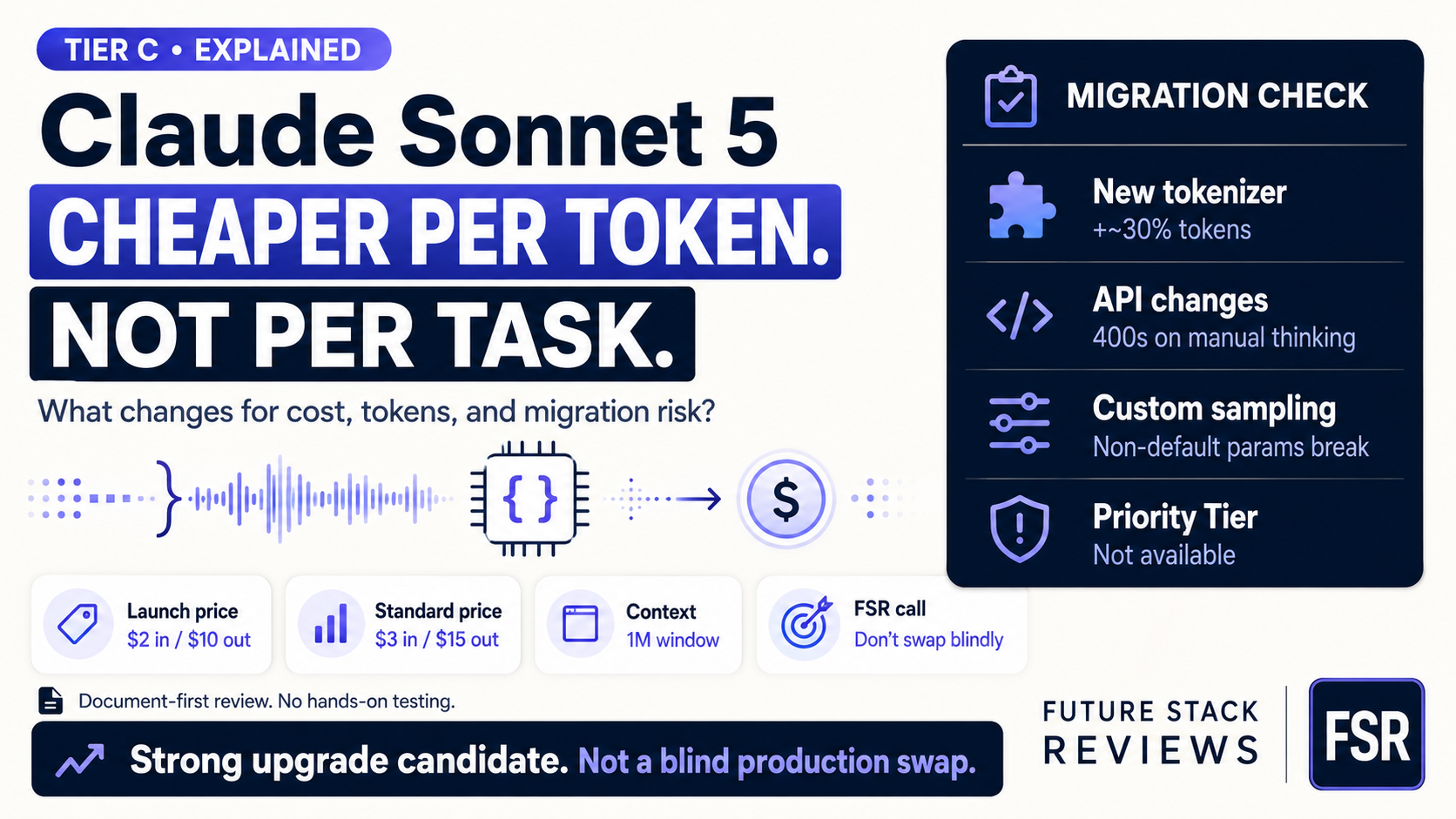
Claude Sonnet 5 keeps Sonnet 4.6's per-token price, but a new tokenizer and three breaking API changes make migration the real cost. What to check before you switch.
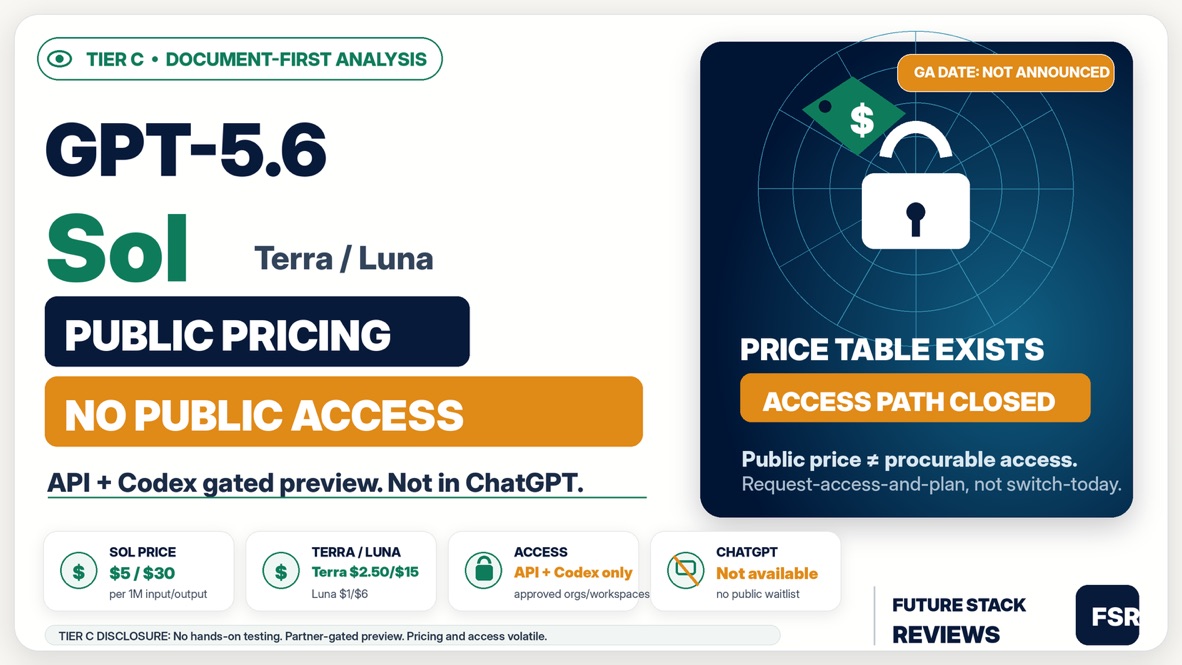
OpenAI published GPT-5.6 Sol's prices, but the model is gated to approved partners and METR's independent evaluation came back unstable.
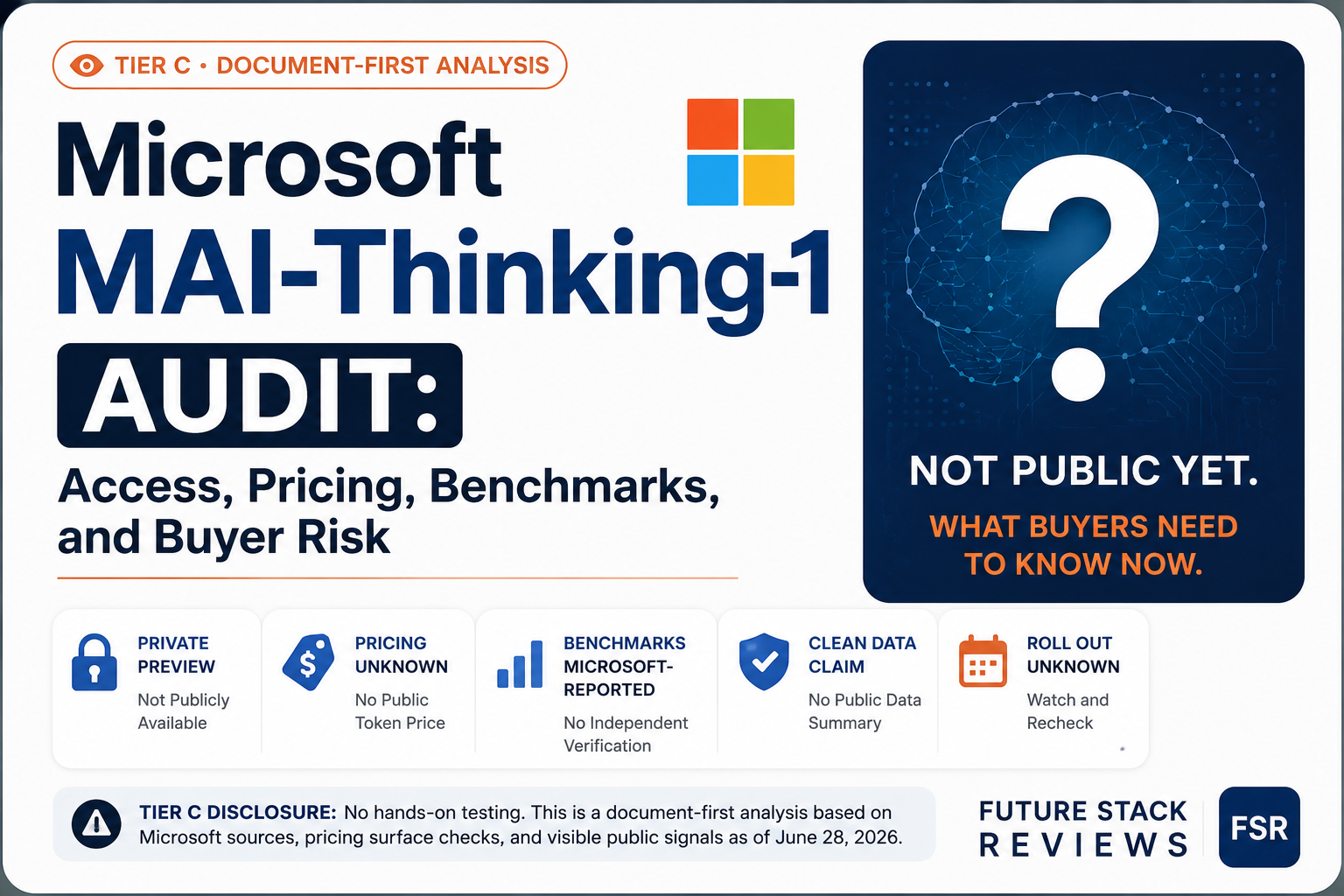
Microsoft MAI-Thinking-1 looks strong on paper, but access is gated, pricing is not public, and benchmarks are Microsoft-reported. What to act on, what to wait for.
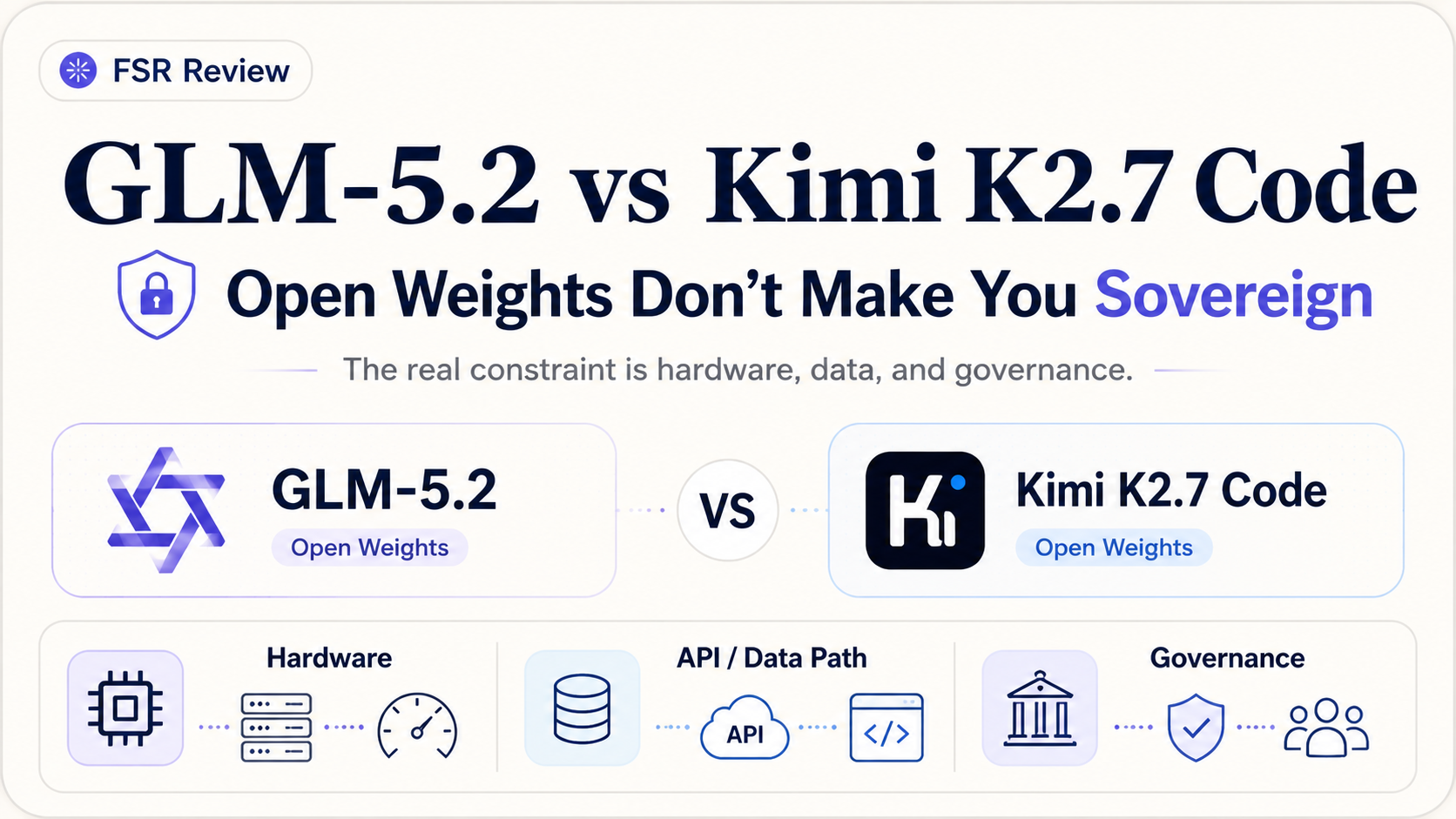
Open weights, permissive licenses, and API prices far below the US frontier. The real question with GLM-5.2 and Kimi K2.7 Code is whether you can run them yourself, and what happens to your code when you cannot.
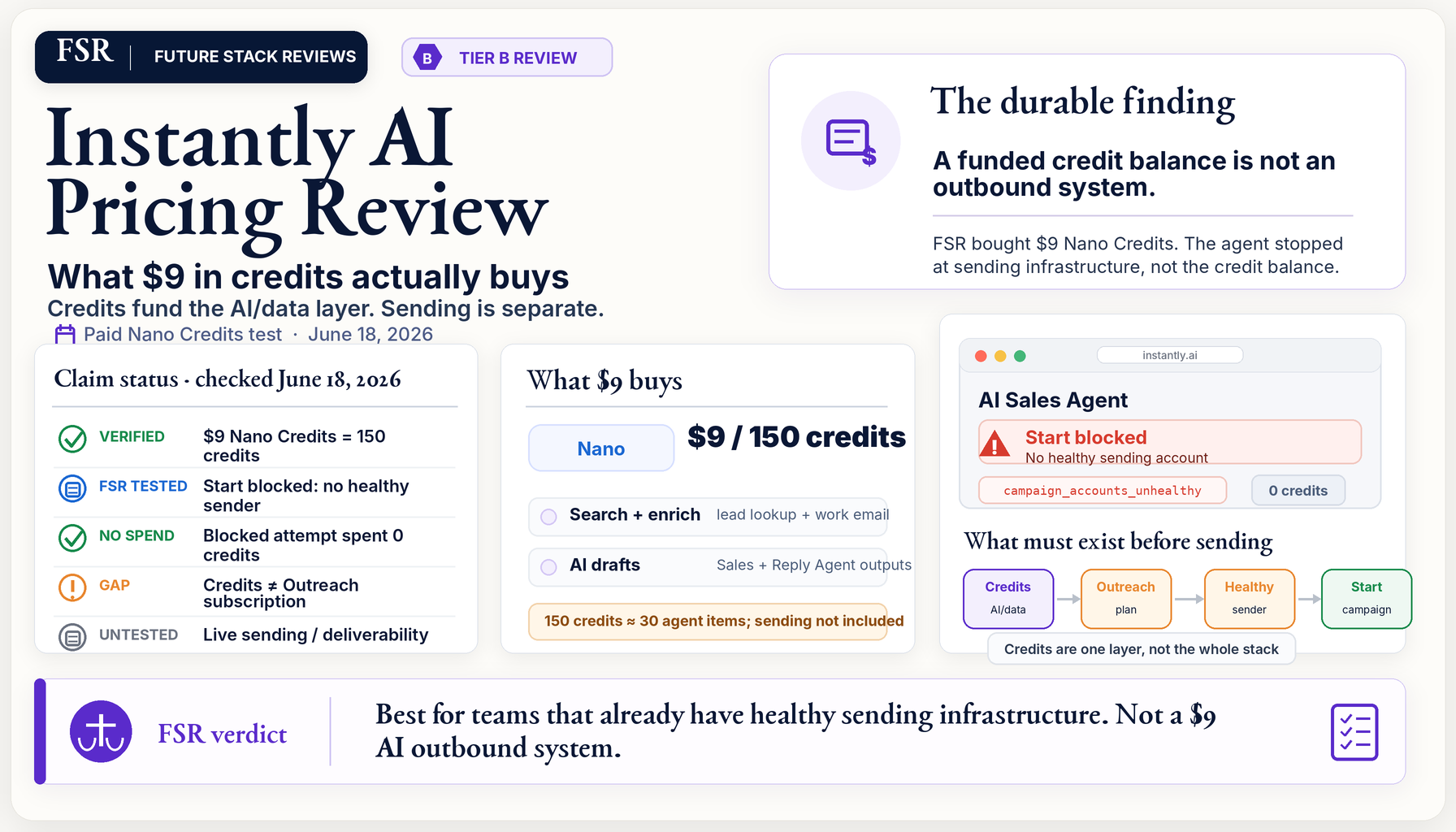
Instantly sells Credits and email sending as separate subscriptions. The $9 Nano Credits plan funds AI lead search, enrichment, and agent drafts, but it cannot send a single email on its own. FSR hit that wall: the AI Sales Agent stopped at the sending-account check, not the credit balance.
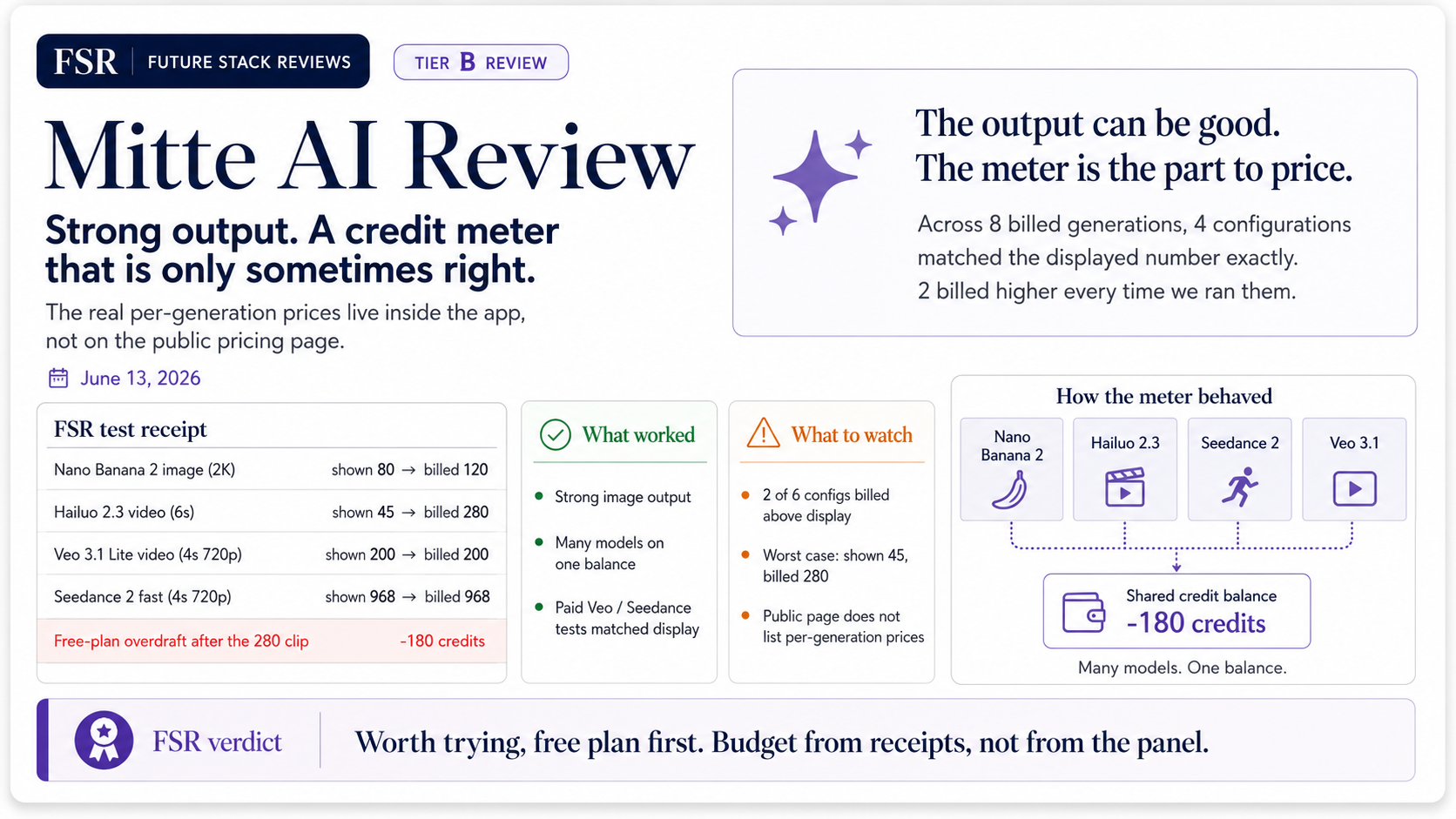
Mitte runs many image, video, and audio models on one credit balance, and the images are strong. The pricing is the part to check before you pay. In our paid testing, two of six configurations billed more than the panel showed on every run, one shown at 45 credits that settled at 280. Budget from th…
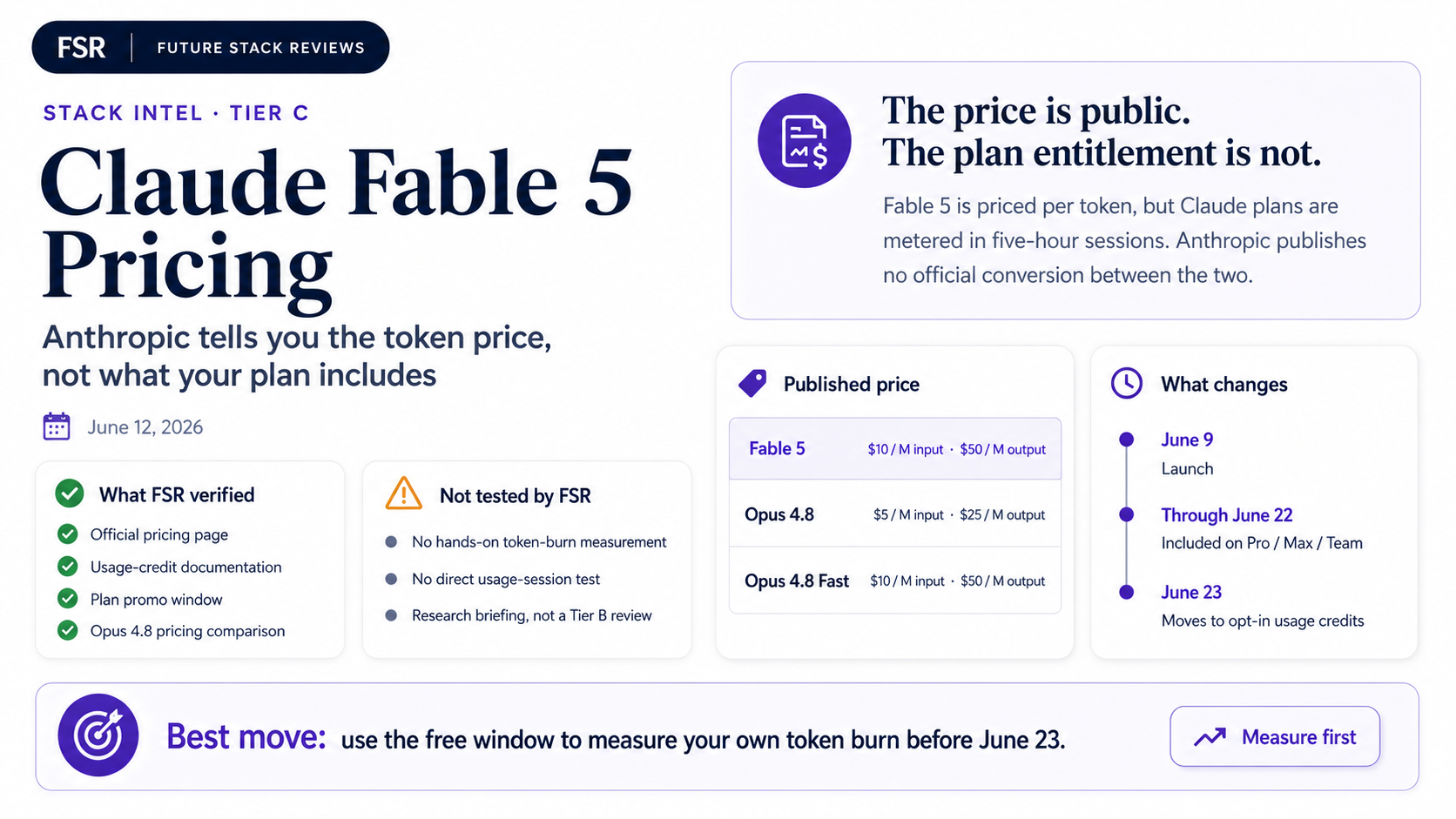
Claude Fable 5 is free on paid Claude plans through June 22, then it bills like the API. Anthropic publishes the token price but no conversion from your five-hour plan limits to Fable usage, so you cannot forecast the cost. Measure your own token burn while it is free.
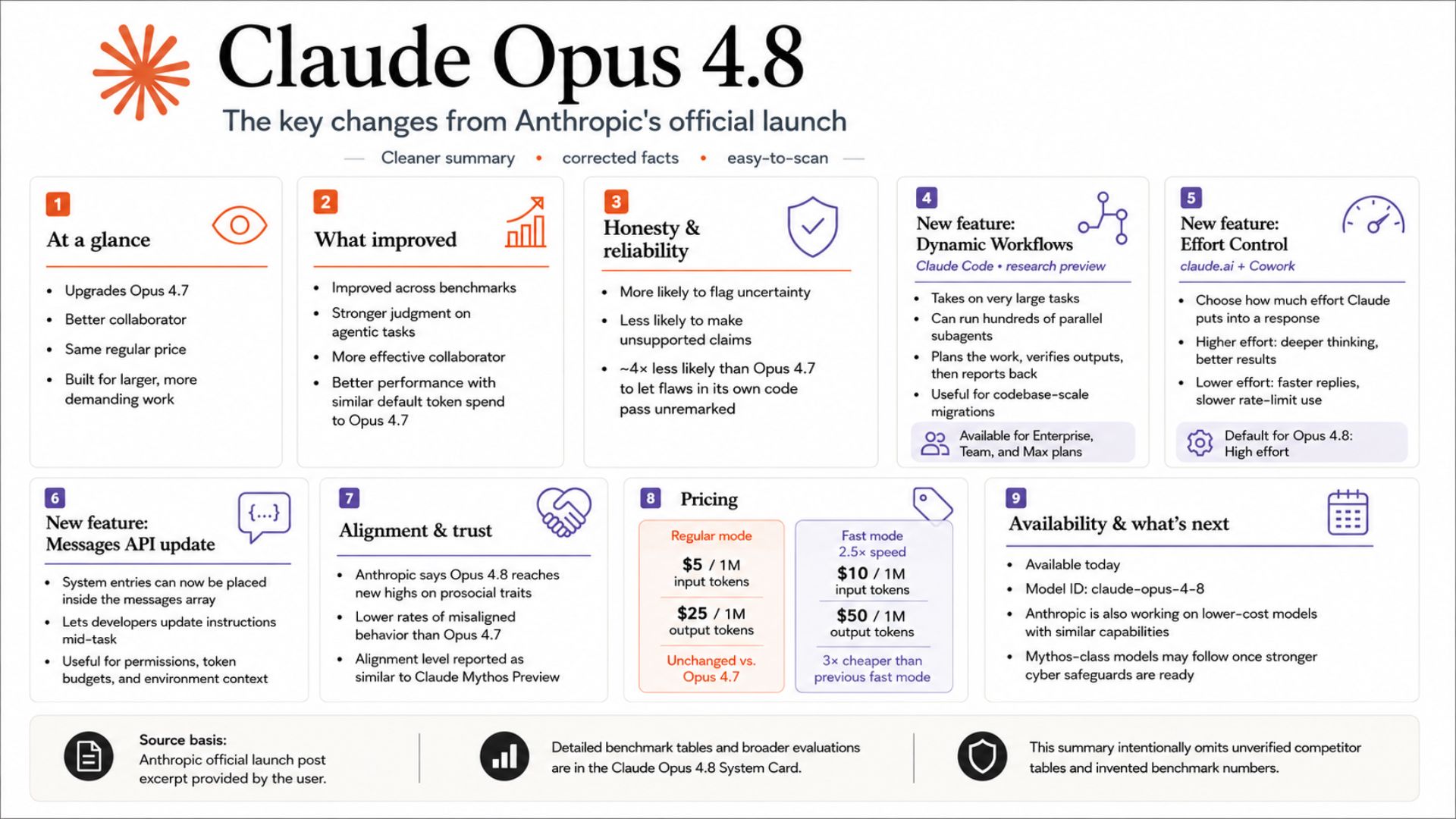
More honest than Opus 4.7 and the same price, but a worse autonomous operator and not Anthropic's frontier. A Tier C briefing built from Anthropic's own 244-page system card.
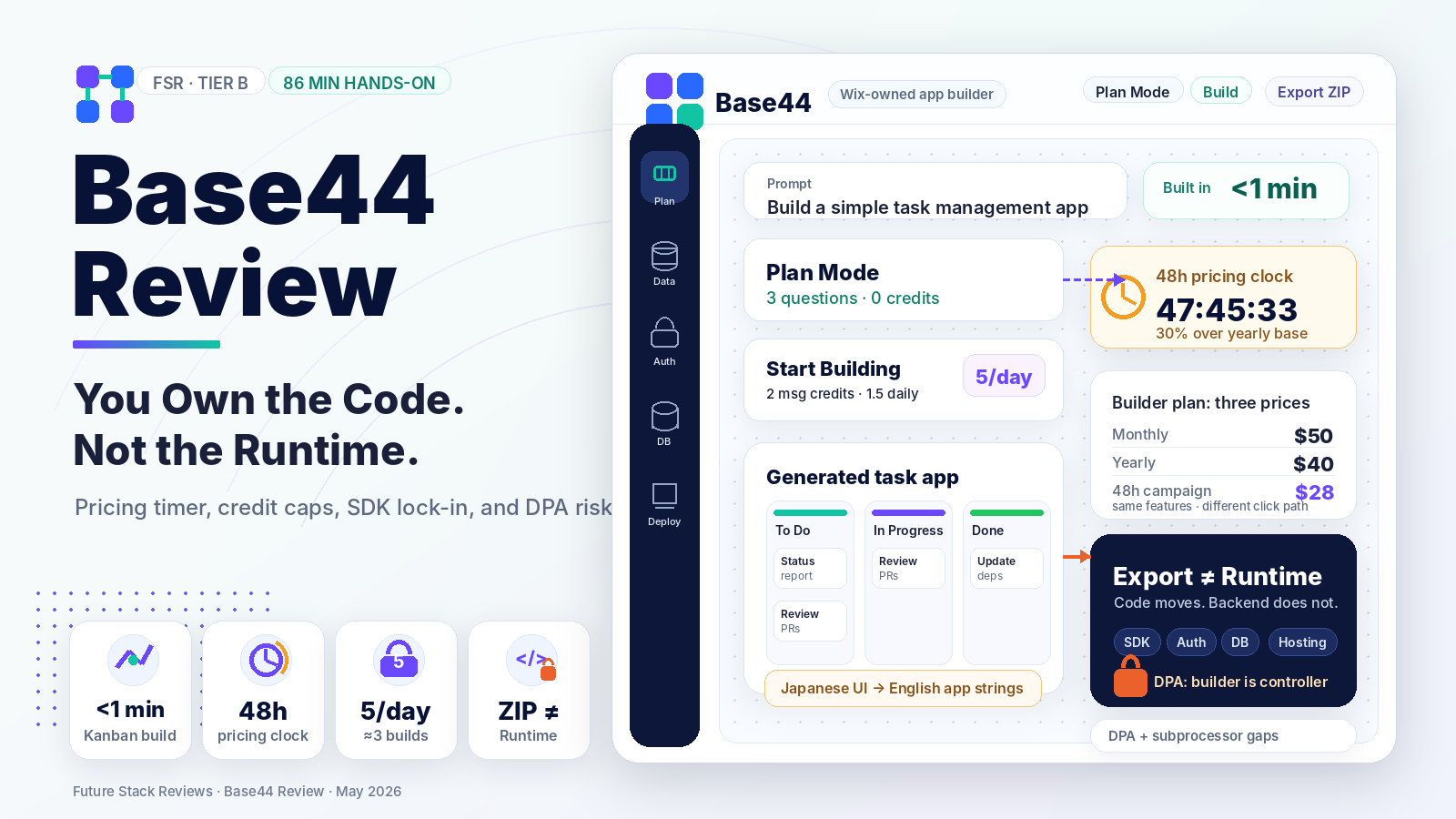
Base44 review 2026: You own the code, not the runtime. 86-minute hands-on test, five pricing tiers, and a 48-hour onboarding clock decoded.

Both tools claim $20/month. Neither actually costs that. Real pricing, real developer data, and a decision framework based on failure modes.
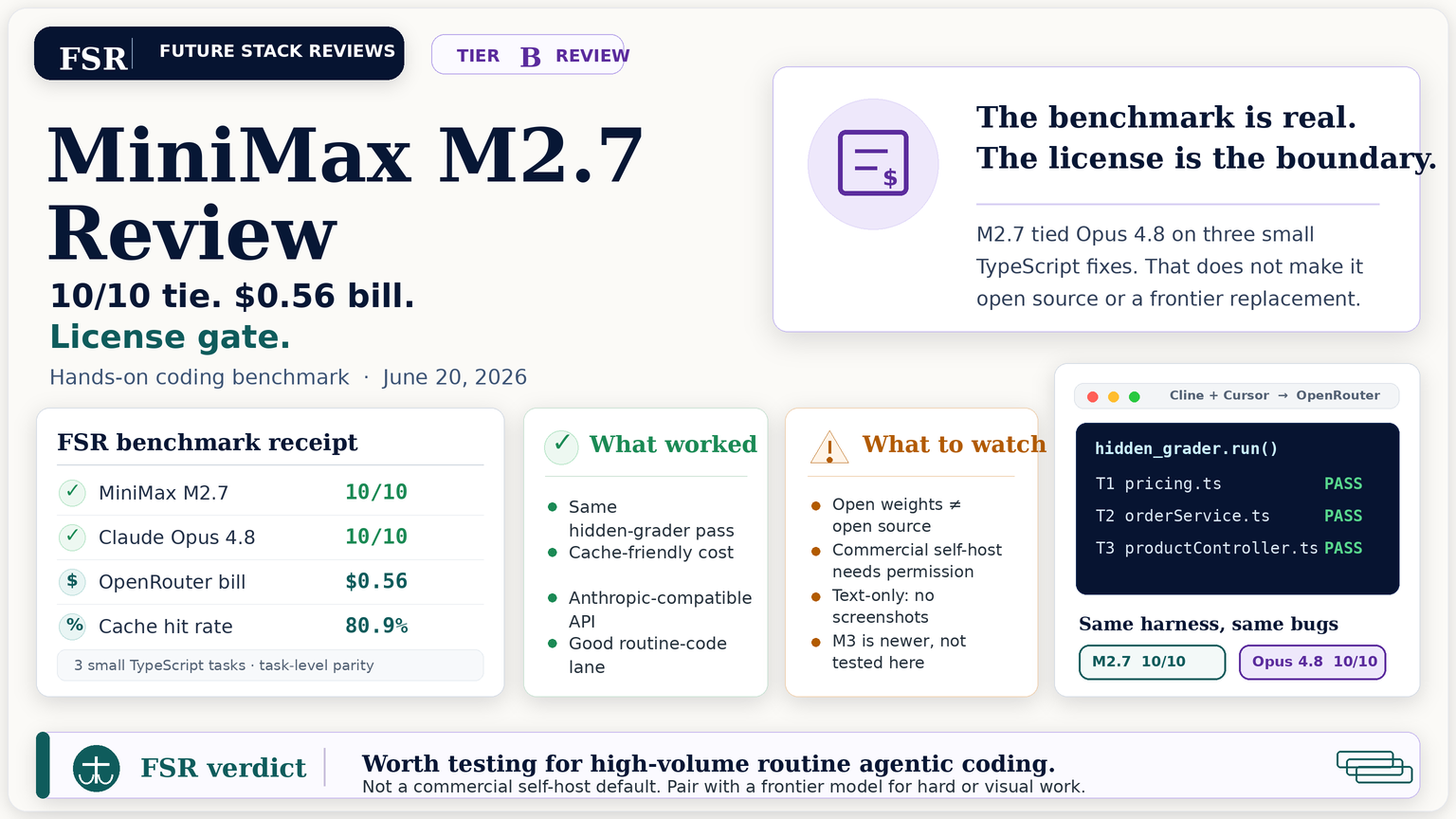
MiniMax M2.7 is cheap and strong on narrow coding tasks: in our hands-on benchmark it tied Claude Opus 4.8 at 10/10 for a $0.56 bill. The non-commercial license, not the price, is the real catch.

Mureka's $27 price is the entry fee, not the cost. The real bill is the Gold meter: stems 100, video 400. Pro at $9 is a real finished-song tier. FSR weighs the meter, the watermark, and the lawsuit.
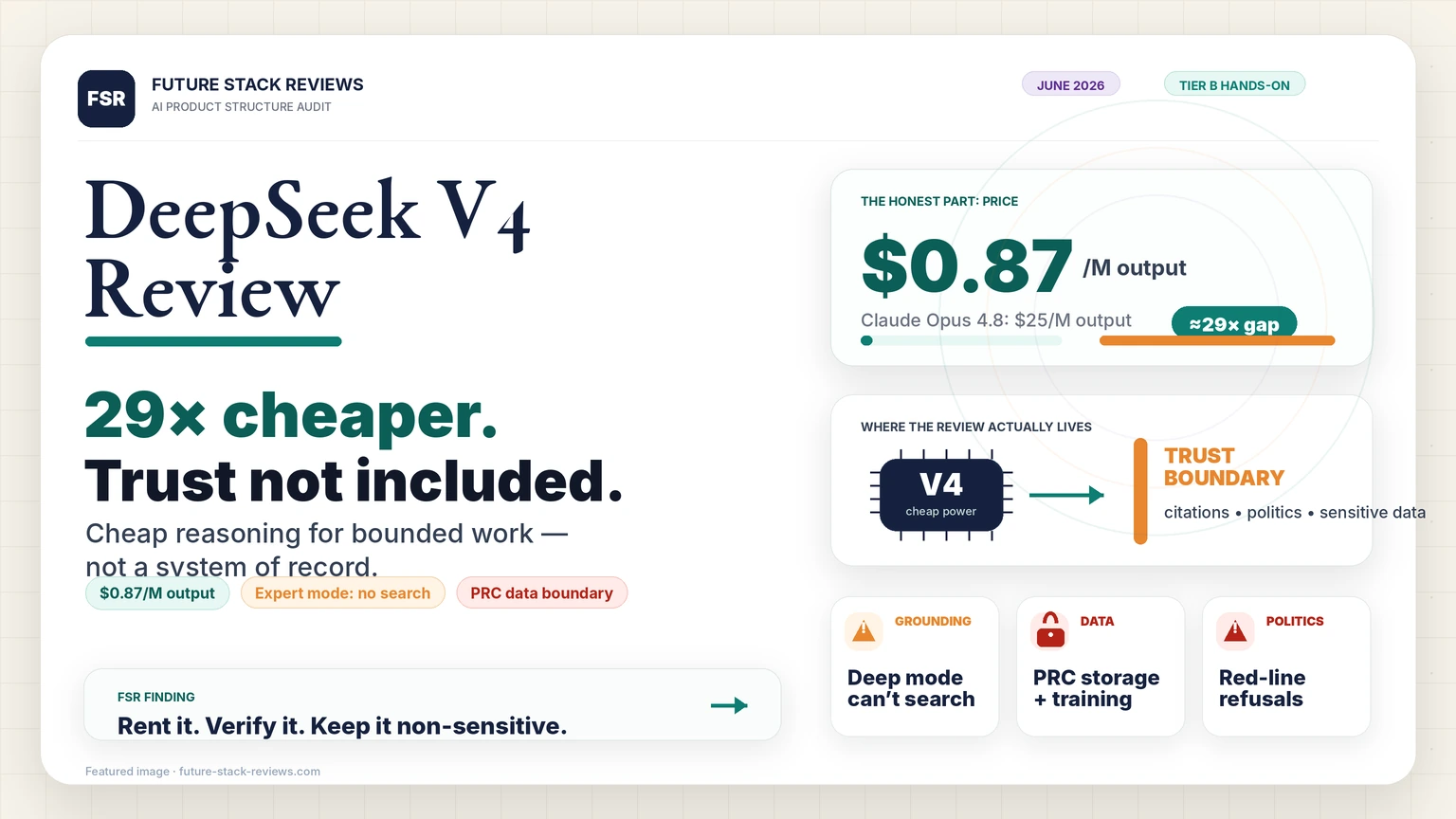
DeepSeek V4 is cheap and genuinely capable: V4-Pro runs about 29x cheaper than Claude Opus 4.8 on output. The price is the honest part. Hosted data sits in the PRC, the policy warns against sensitive data, and FSR's tests show it breaking on China's political red lines. Rent it; do not marry it.